
Atlanta: Produce Terminal of the South
August 31, 2026 | 8 min to read
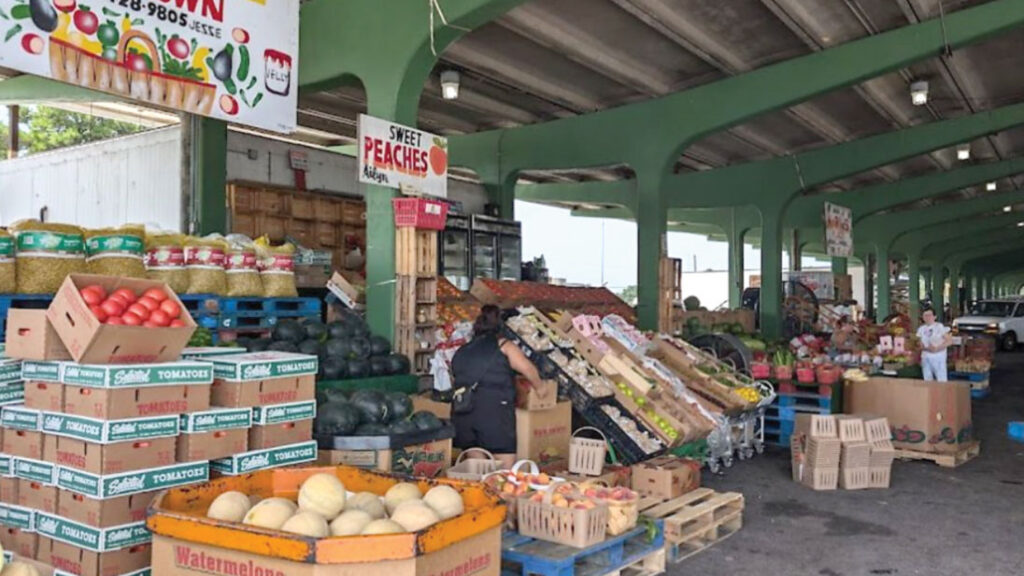
Booming population helps Atlanta wholesalers distribute produce.
Spurred by steady population increases, Atlanta has emerged from its beginning as a railroad terminus to one of the nation’s largest, most dynamic regions and a major global player.
As the hub of the South, Atlanta is home to 18 Fortune 500 companies, and the headquarters of another 19 rated in the Fortune 1000 list in industries including aviation, retail, food, packaging and finance. The metropolitan area also plays a critical role in fresh produce distribution throughout the Southeast.
“Atlanta has become the hub and the Capital of the South,” says Charlie Eagle, vice president of business development for Pompano Beach, FL-based Southern Specialties Inc., who works in Atlanta. “We have an ever-increasing population. We have a sophisticated consumer. We have international trade. It all comes together. It’s a true international city.”
POPULATION EXPLOSION
As the sixth largest U.S. metropolitan area, the population of the Atlanta-Sandy Springs-Roswell, GA, Metro Area is 6.5 million, up 362,000 from the start of the decade, according to the U.S. Census Bureau. Driven by robust job growth, the region adds approximately 60,000 to 65,000 new residents annually.
“Every year, the population is increasing,” says Andrew Scott, vice president of sales and business development for Nickey Gregory Co., a wholesaler based on the Atlanta State Farmers Market in Forest Park, GA. “With the interstate system, you can send a lot of produce overnight to most areas of the South.
There are definitely areas of growth and a lot of distribution centers being built here. I have seen a lot of growth since I moved here in 1994. It’s a big, thriving, growing city.”
Atlanta is also the third leading U.S. metro area by numeric growth from 2024 to 2025, trailing only Houston and Dallas, TX, but ahead of Phoenix and Charlotte, NC, according to Census Bureau. Each of metro Atlanta’s 11 counties saw population increases from 2024-2025, according to the Atlanta Regional Commission.
“Atlanta’s population is large, fast-growing, diverse and increasingly food-conscious,” says Matthew Kulinski, director of marketing for the Georgia Department of Agriculture (GDA) in Atlanta. “Population growth is increasing both the volume and complexity of produce demand. More people means more demand, but Atlanta’s growth also brings new cuisines, new retail formats, and higher expectations for freshness, convenience, and specialty products.”
“Atlanta’s growth also brings new cuisines, new retail formats, and higher expectations for freshness, convenience, and specialty products.”
Matthew Kulinski, Georgia Department of Agriculture, Atlanta
The commission forecasts the 21-county Atlanta region will potentially add 1.8 million people by 2050, bringing the region’s total population to 8 million. “To put that growth in perspective, it’s as if all of metropolitan Indianapolis will move to the Atlanta region over the next 30 years,” the commission stated.
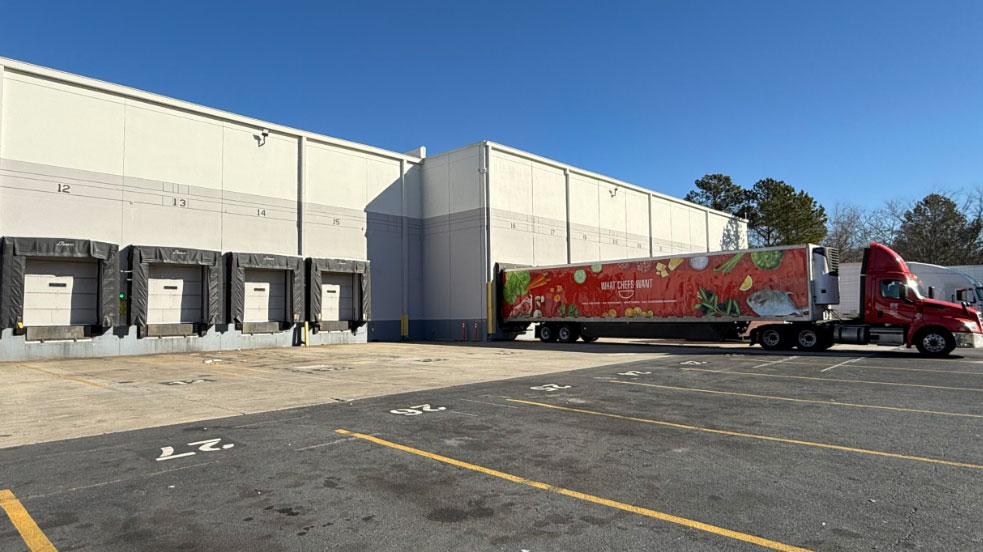
“Atlanta’s one of the most dynamic markets in the country right now,” says Lauren Kellum, director of marketing for What Chefs Want, Louisville, KY. “You’ve got real population growth, a deep mix of cultures, and chefs who aren’t playing it safe. That shows up in demand. One day it’s Southern staples, the next it’s hyper-specific global ingredients. If you can’t keep up, you get left behind.”
THRIVING INDEPENDENT RETAIL SCENE
While the large grocery chains dominate mass grocery sales, the Atlanta region is home to numerous smaller local and regional chains and stores, including City Farmers Market, an international supermarket chain with six Atlanta area locations; NDM (Nam Dae Mun), with eight locations throughout the Greater Atlanta area; and Talpa Supermarkets (Supermercado Talpa), a Hispanic-oriented retailer with more than a dozen locations in the Atlanta region, including a store in Dalton, GA, which opened in the fall of 2025.
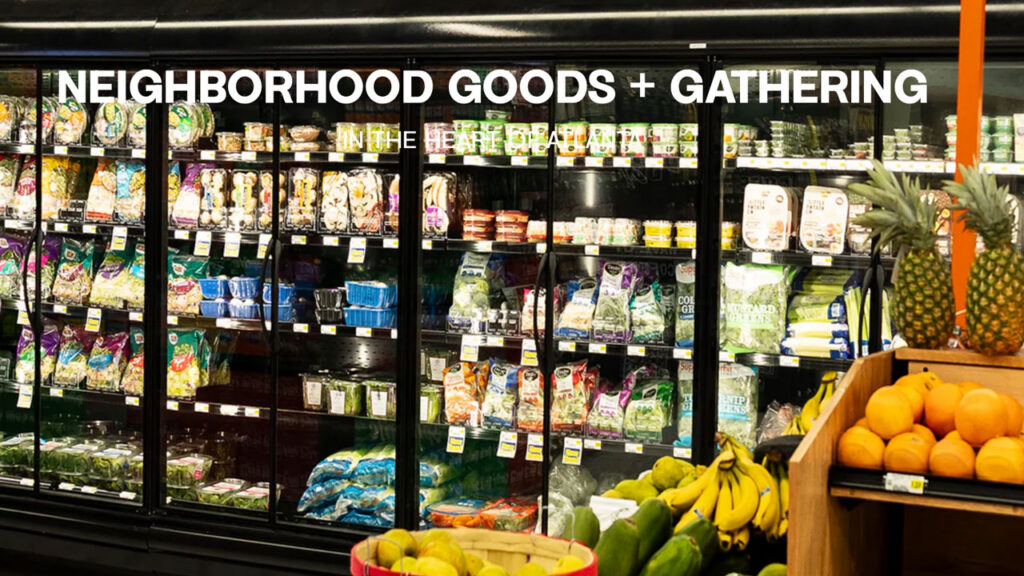
“We are seeing the increase in the people,” says Jenna Kennedy, produce manager of Sevananda Natural Foods Market, a natural foods cooperative located in the trendy Little Five Points district, considered one of Atlanta’s hippest neighborhoods, northeast of Atlanta’s downtown.
“I think it’s just going to keep growing. We just keep needing to buy more and more (produce). Nobody wants to shop at the regular grocery stores anymore. Atlanta’s getting to be a hip town.”
Scott says Nickey Gregory is starting to experience fewer pickup or dock customers, with customers preferring delivery. The wholesaler continues to focus on foodservice distribution center sales and has increased its retail and fresh-cut processing business, expanding the number of specialty items it carries to serve the city’s broadening ethnic population.
“With all the new concepts popping up here, we try to help on both the retail and foodservice sectors because you have a lot of people coming to this market,” he says. “A lot of the grocery retailers have distribution centers here. Foodservice is still a big percentage of our business, but we’re selling more independent grocery retailers, probably just over a hundred stores that we’re servicing. This city has a lot of different retail formats, a lot of independents and small store chains.”
COMPETITIVE MARKET
That mass of food business keeps distributors busy.
“The Atlanta produce market is very competitive,” says GDA’s Kulinski. “Established wholesalers, regional distributors, national firms, local farms, and new companies are all working to serve a sophisticated customer base. That competition is good for consumers and creates opportunities for strong Georgia Grown products to stand out.”
“There has been this explosive growth and advances in the number of restaurants, the style of restaurants, and, of course, the number of hotels,” says Southern Specialties’ Eagle. “This area’s so close to everything in the Southeast. Being an overnight ride by truck from our Pompano Beach (Florida) headquarters, it’s only natural that the Atlanta region is a very important consumer of our products — both foodservice, retail, and club store-wide.”
“Produce is important here because it’s so hot here,” says Sevananda’s Kennedy. “There are lots of people here and it’s always busy. The population here affects it. It’s definitely been booming. This is a busy city. We need to keep refilling and doubling-up when we need. We’ve definitely been having good business. There’s never a quiet moment.”
FAST-MOVING DINING SCENE
Diners and the produce companies that serve the restaurants benefit from the ever-changing dining trends.
“Atlanta’s restaurant scene moves fast because it’s chef-led,” says What Chefs Want’s Kellum which distributes to foodservice operators in 15 states. “You’ve got high-end kitchens, strong independents, and a lot of creative fast-casual concepts all pushing each other. That competition raises the bar across the board. It’s the mix of diversity, growth, and a strong culinary scene. Trends show up here early, and they move fast.”
The market includes consumers looking for traditional Southern staples, local seasonal produce, international ingredients, health-focused options and premium branded products.
“That diversity creates strong demand for a wider range of produce than many surrounding markets,” says GDA’s Kulinski. “Atlantans are adventurous eaters. The region supports traditional Southern cooking, international cuisine, chef-driven restaurants, farmers markets, health-conscious shoppers, and upscale grocery formats. That means produce demand is not one-size-fits-all. Consumers want quality, variety, freshness, and authenticity.”
The region’s ethnic diversity helps drive restaurant sales.
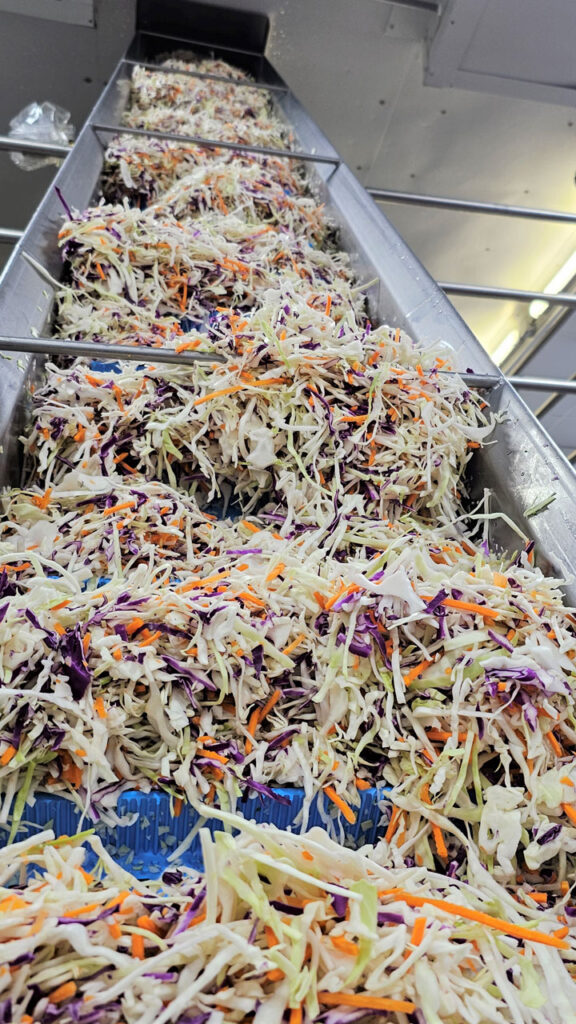
“There’s so much to choose from with all the nationalities in town,” says Nickey Gregory’s Scott. “There are all these different cuisines. There’s a good mix of restaurants here, and it is really a great restaurant scene.”
KEY PRODUCE TERMINAL
An important supplier of fresh produce to the growing region is the Atlanta State Farmers Market, located just south of the Hartsfield-Jackson Atlanta International Airport, which handles around 110 million passengers a year.
“One of Atlanta’s major advantages is the Atlanta State Farmers Market, which provides produce infrastructure that many other regions do not have,” says GDA’s Kulinski. “Combined with Atlanta’s scale, diversity, and strong demand, the market gives wholesalers access to a large and varied customer base.
“The challenge is that Atlanta buyers expect variety, quality, consistency, and fast service. Produce is perishable, margins can be tight, and customer expectations are high, so wholesalers have to be efficient, responsive, and able to adapt quickly.”
Produce growers and distributors considering servicing the giant metro area must do their homework.
“Atlanta is a high-growth, high-expectation market,” says What Chefs Want’s Kellum. “There’s a lot of opportunity, but it doesn’t reward average. The companies that win here are the ones that execute every day. Strong service, consistent product, and real relationships. That’s what separates everyone else from the ones that actually stick.”
“Atlanta is a high-growth, high-expectation market. There’s a lot of opportunity, but it doesn’t reward average.”
Lauren Kellum, What Chefs Want, Louisville, KY
What Chefs Want is seeing more demand for items that used to be considered niche, including specialty peppers, herbs and tropical products. “The kind of produce that’s hard to source consistently is now expected to just be available,” says Kellum. “And local! Local sourcing is a huge driver. Menus change fast, especially when you’re working around what’s local and in season. That’s why we invest so much in tools like our weekly local sourcing updates, newsletters, and menu-planning guides. It gives chefs something practical to build from, not just a list of products.”
5 of 15 article in Produce Business August 2026
Have a story to share?
Take a place at Produce Business