
Mexico Strengthens its Role as Produce Powerhouse
December 15, 2025 | 8 min to read
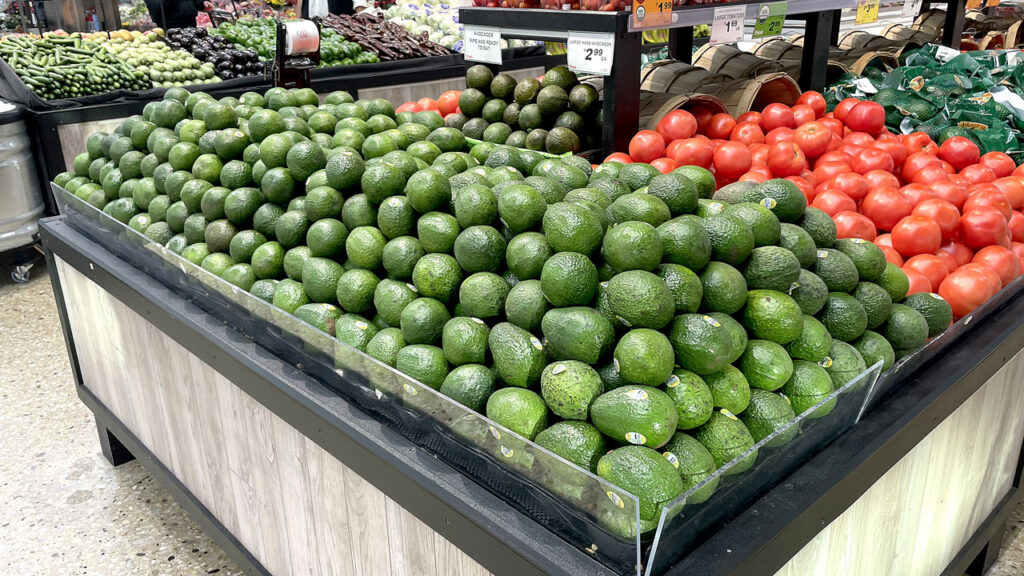
Retailers can profit from showcasing Mexican fresh produce.
November to May is the peak import season of fresh produce from Mexico into the U.S.
According to the U.S. Department of Agriculture (USDA) website, Mexico is the largest single source for U.S. produce imports, supplying 63% of vegetable imports and 47% of fruits and nuts. For Mexico, the U.S. is the destination for 91% of Mexico’s total annual horticultural exports.
“We receive produce all 12 months of the year, but the peak season is November to May,” says Andy Martin, president and co-founder of A&A Organic Farms, Watsonville, CA. “Our biggest challenge is to make sure we have the crops customers want to purchase. We are making changes to the spring/summer crop plan in Baja for 2026 to make sure we are not trying to compete with our customers’ locally grown offerings.”
KEEPING PACE WITH DEMAND
For Avocados from Mexico, Irving, TX, it’s all about meeting the year-round demand in the U.S. for avocados, says Stephanie Bazan, senior vice president, commercial strategy and execution. “Avocados are really a summer fruit, but Mexico is able to provide them to the U.S. from October to March. That’s important because during those months, there are no avocados from California, Chile or Peru.”
She says while Colombia does produce avocados year-round, it can’t at the volume that would meet U.S. demand. “Mexico, on the other hand, has four blooms, so we are able to produce avocados all year, which is the only place in the world where that happens.”
Greenhouse technology is helping Mexico keep pace with U.S. demand for produce, says Jose Luis Obregon, president, IPR Fresh, Nogales, AZ. “Greenhouse technology has extended the bell pepper and European cucumbers from the Mexican season to a year-round basis. We expect continued growth in greenhouse-grown vegetables.”
Sabrina Fisher, director of marketing and communications at Texas International Produce Association in Mission, TX, agrees. “There has been a shift toward more year-round/shoulder-season coverage via greenhouses/shade houses. The U.S. Department of Agriculture’s Economic Research Service (ERS) 2024-25 analysis highlights substantial gains for avocados and raspberries, especially with protected-ag enabling shoulder-season volume. This improves quality and smooths seasonal gaps.”
Obregon expects more focus on sustainability and stronger traceability initiatives throughout the supply chain. “But the biggest opportunity remains Mexico’s reliability — consistent high-quality supply during the U.S. off-season helps retailers stay stocked year-round.”
“The biggest opportunity remains Mexico’s reliability — consistent high-quality supply during the U.S. off-season helps retailers stay stocked year-round.”
– Jose Luis Obregon, IPR Fresh, Nogales, AZ
Martin of A&A Organic Farms agrees. “Our growers in Mexico have proven they can deliver good-tasting, high-quality organic produce all year long.”
TOP PRODUCE FROM MEXICO
Top imports from Mexico include avocados, tomatoes, bell and hot peppers, cucumbers, squash, berries, limes and mangos. “The USDA’s ERS, which tracks the role of food imports into the U.S., shows that avocados and berries, including strawberries, blueberries, raspberries and blackberries, have grown the fastest among Mexico-to-U.S. horticultural imports over the past decade, with tomatoes, peppers, cucumbers and squash remaining core vegetables being imported,” says Fisher of Texas International Produce Association.
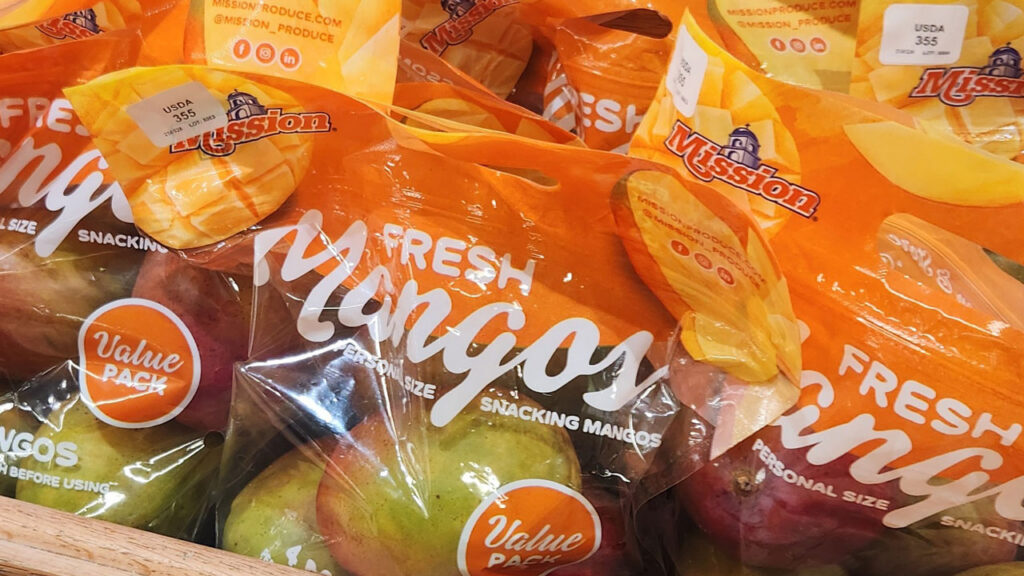
Brooke Becker, senior vice president of sales, Mission Produce, headquartered in Oxnard, CA, says Mexico supplies about 80% of avocados in the U.S. and is also the largest importing country of mangos to the U.S., representing about 67% of mango imports. “The 2025 Mexican season delivered 955 million pounds of mangos — an 18% increase.”
Bazan of Avocados from Mexico says avocados are an “iconic export” from Mexico. She says eight out of 10 avocados in the U.S. come from Mexico because Mexico is the largest producer of avocados in the world and the largest exporter of the fruit. “Our avocados are Hass, the most popular avocado, so we’re needed in order to meet U.S. demand.”
Despite the popularity of produce imports from Mexico and the needs they fill in the retail store, the industry isn’t without its challenges, including rising transportation costs, border logistics, variable border wait times, and recent tariff uncertainty. Trade policy shifts can also create pricing volatility and planning difficulties.
“The tomato is our best-selling item, but with the unfortunate addition of a tariff on tomatoes in July 2025, that changed the sales pattern for the Baja tomatoes,” says A&A Organic’s Martin. “We continued to move tomatoes, but the prices were lower than expected. No other crop has a tariff on it so far, and this summer we saw steady movement on Persian cucumbers, green beans, zucchini, basil and mini peppers.”
On the plus side, Mexico’s proximity to the U.S. is a boon for suppliers, buyers and retailers. “The supply train between Mexico and the U.S. is very efficient,” says Bazan. “For example, you can have a fresh avocado in two to five days, from orchard to your table. This has a huge socio-economic impact on both sides of the border — $7.5 billion in the U.S. and $6 billion in economic impact in Mexico. Seventy-eight thousand direct and seasonal jobs are created in Mexico, and more than 42,000 jobs in the U.S. This is a boost for the economies of both countries.”
CAPITALIZE ON PRODUCE FROM MEXICO
The many eye-catching colors and the year-round abundance of produce from Mexico make it an easy sale for retailers. Still, there are many ways in which stores can entice shoppers to fill their baskets with Mexico’s fruits and vegetables.
One way is to lean into key events, such as the Super Bowl, Lent, spring grilling and Cinco de Mayo, when demand for produce such as avocados, tomatoes and limes is high. “With football season in full swing, now is a great time to promote avocados with game day messaging,” says Becker. “Come January, retailers can then transition to messaging around healthy New Year’s resolutions and the Big Game.”
Obregon says large, vibrant displays, bilingual signage, and cross-merchandising with complementary items, like tortillas, meat or cheese help drive movement.
“We encourage retailers to create displays that show the versatility of avocados beyond guacamole,” says Bazan. “Avocados are healthy, which is one reason why they’re popular, but their creamy texture also works well in a variety of dishes. Our job is to show how Avocados from Mexico can be used as handhelds, such as on tacos, burgers, hot dogs and pizza. Avocados are also a great addition to salads and can enhance any dish.”
Displays that use bilingual recipe tie-ins are another way to push Mexican produce sales. Providing “build a meal” suggestions along with ripening and handling tips, and secondary displays near beer, snacks, and in the meat department can also add a ring at the register.
“It’s important to create destinations in stores to make it easy for consumers who are looking for particular items, such as avocados for guacamole, for example,” says Bazan. “By doing so, shoppers may purchase additional produce items that complement the guacamole recipe. Our studies have found that a lift in the value of the basket can occur when avocados are merchandised in different areas of the store, such as the deli department promoting avocado on sandwiches, the aisle that shelves tortilla or taco shells, and in prepackaged bakery items.”
In addition, young people in particular follow trends on foodservice and restaurant menus and then go to retail stores and try to replicate and recreate those dishes, which can boost the sales of ingredients listed on those menus. Retailers who are aware of recipe trends can aid shoppers in these efforts.
“Merchandising is key,” adds Bazan. “Creating a very attractive space in the store can drive impulse purchases. For example, about 70% of avocado purchases are planned; that is, consumers already have it on their lists. But it’s also important to capture incremental purchases through impulse buys. Consumers see avocados advertised in the store on a table or on display, and that results in a 13% lift in sales. But our studies found that when there’s a display of a named brand, such as Avocados from Mexico, retail stores could expect a 25% lift.”
Retailers can also tap into point-of-sale (POS) materials provided by many sellers and distributors. “Various boards and groups provide materials that help educate consumers about the quality and freshness of Mexican produce,” says Obregon. “We often share those tools with our retail partners.”
“Our growers in Mexico have proven they can deliver good-tasting, high-quality organic produce all year long.”
– Andy Martin, A&A Organic Farms, Watsonville, CA
Packaging also plays a role in pushing Mexican produce sales. “Consumers are looking for value-pack opportunities, so we’ve also developed our Retail Ready Mango bag, which gives consumers the convenience of three or four mangos in one grab-and-go product,” says Becker of Mission Produce.
But packaging fruit, such as avocados, can sometimes be a challenge. “With avocados, you have one package and it’s a natural package — so there’s not a lot of space on that avocado to brand,” says Bazan. “But having the brand on merchandise matters, so our brand has a distinctive avo glow color that we’ve created to make our brand stand out. We’ve also encouraged packers to use our PLU stickers to reinforce the branding at point of sale.”
OUTLOOK FOR PRODUCE
The popularity of Mexican produce with U.S. shoppers is expected to continue to grow. Its longer growing season and wide array of fresh produce choices allow American consumers to purchase favorite fruits and vegetables outside of the U.S. growing period. Tariffs, however, are a concern and might result in higher prices. Whether that affects purchasing numbers remains to be seen and will require creative promotions on the part of retailers.
“The best way for retailers to promote, merchandise and market Mexican produce is to book ad promotions, cross-merchandise with other retail items, and set up contracted prices that allow for price stability in these uncertain times,” advises Martin of A&A Organic Farms.
11 of 16 article in Produce Business December 2025
Have a story to share?
Take a place at Produce Business