
Central America an Important Counter-Season Supplier
February 9, 2026 | 8 min to read
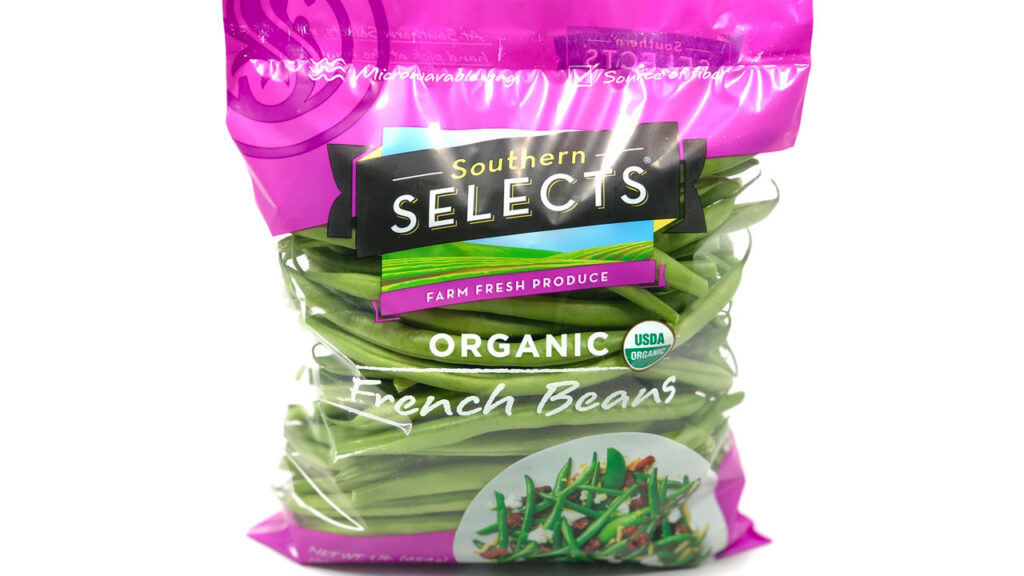
Strong partnerships and expanding infrastructure are helping growers and exporters meet U.S. demand.
Central America is a diverse and fascinating region, rich in agricultural production, which all too often gets overshadowed by negative news headlines. But the reality is that Central America forms an important — and valuable — supplier of counter-seasonal fruits and vegetables to the U.S.
For key production countries in Central America, such as Costa Rica, Nicaragua and Honduras, the U.S. remains a vital market. Despite the 10% blanket tariff applied by the Trump administration to the region, exports to the U.S. continue to grow. In the case of the three mentioned countries, the U.S. receives more than 45% of their total annual exports, according to the Bank for Central American Economic Integration (BCIE).
In fact, BCIE stats from October 2025 show that in the six months following the imposition of the tariffs, exports to the U.S. continued to grow — rising by 10% compared with the same period a year before — and show no signs of slowing.
Guatemala, in particular, remains an important player in the region, with the country rated as the fourth-largest supplier of fruit to the U.S. and the seventh biggest exporter of vegetables in 2023, according to the U.S. Department of Agriculture (USDA). Although fresh fruit and vegetable exports from Guatemala to the U.S. have either experienced a slight decrease or remained static, 2024 saw U.S. importers receive an estimated 180 million pounds of vegetables and almost 6 billion pounds of fruit from the Central American country, USDA figures showed.
Based in Pompano Beach, FL, Southern Specialties started by growing and importing specialty produce items from Guatemala, which the company’s vice president of business development, Charlie Eagle, says were used by top chefs to “paint a picture on the plate.”
“Baby squash in all sizes and colors, French beans, snow peas and sugar snaps were in high demand for the restaurant trade,” he says.
Today, the company has grown into a leading grower, importer and processor of these and a wide range of other fresh fruits and vegetables, distributed to retailers, club stores, wholesalers and foodservice distributors. According to Eagle, Southern Specialties’ produce line now comprises over 250 SKUs, including asparagus, green beans, heirloom tomatoes, radicchio, tropical fruits and avocados.
“The ideal climates, rich volcanic soil, excellent labor force, and modern cold chain and logistics make Guatemala and other countries in Central America a great resource for us,” Eagle notes. “In the last 35 years, we have invested heavily in our infrastructure, modernized growing methods, food safety and sustainability efforts.”
“The ideal climates, rich volcanic soil, excellent labor force, and modern cold chain and logistics make Guatemala and other countries in Central America a great resource for us.”
— Charlie Eagle, Southern Specialties, Pompano Beach, FL
From its Pompano Beach facility, the company packages and distributes value-added presentations to meet customer requirements, including fulfilling private label programs for major retailers and club stores.
COMPLEMENTING U.S. PRODUCTION
According to Eagle, many of the products grown by Southern Specialties in Guatemala “fill a niche that complements U.S. production.” As an example, he cites the company’s French beans, hand-peeled baby carrots, shelled English peas and other peas, which are selected, harvested and packed by hand year-round in the country.
“U.S. farms don’t have the climate or labor capacity to successfully develop this type of program,” argues Eagle. “We also grow and import asparagus, Brussels sprouts, broccoli florets, green beans, limes, berries and radicchio that seasonally complement the U.S.”
Another produce importer that works extensively in Central America is Continental Fresh, a Miami, FL-based company that sources cucumbers and butternut squash from Honduras.
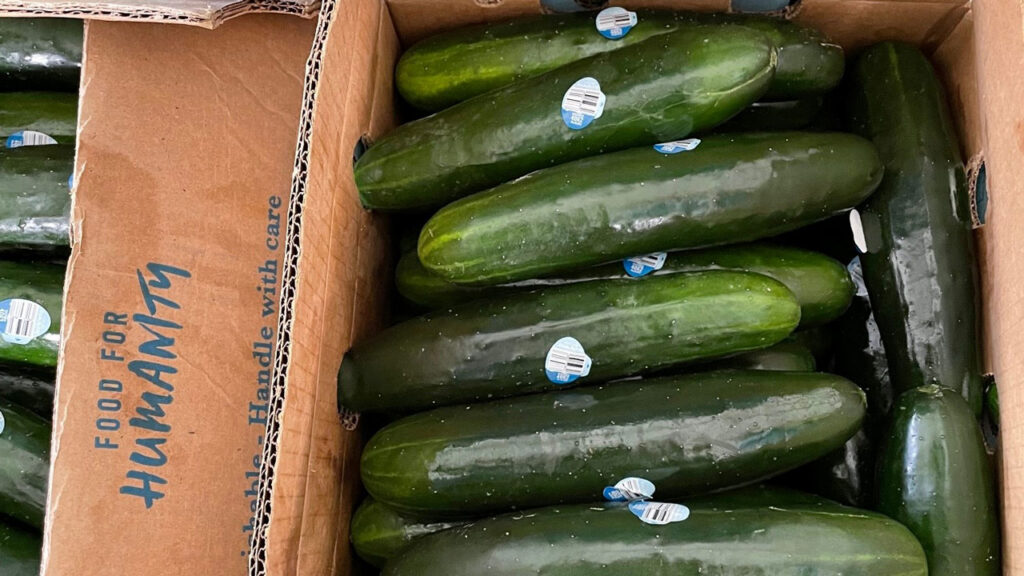
According to Continental’s vice president of sales and business development, Robert Cabili, vegetables, such as Honduran cucumbers and squash, align with the U.S. off-season, providing buyers a seamless supply transition.
Having a strong social dimension has long been part of the company’s wider identity, and Cabili says that even as Continental continues to expand its sourcing footprint, its mission remains constant: “to deliver exceptional produce while creating meaningful social impact.”
“We’ve always believed that business can be a force for good,” he explains. “When we connect purpose with produce, everyone benefits — the growers, the retailers, and the families whose lives are changed by access to clean water.”
To highlight this work, Continental operates its own “Water For All“ label, which aims to connect consumers to the company’s social mission. Each box sold contributes to clean-water and sanitation projects in Latin America through partnerships with organizations like BLUE Missions. QR codes on the packaging link directly to stories and impact updates from completed water projects, which Cabili says help “turn everyday purchases into acts of giving.”
Another Miami, FL-located business, Crystal Valley Foods, imports fruits and vegetables year-round from Central America, with a particular emphasis on Guatemala. Through grower-partners, the country supplies several of Crystal Valley’s core products, including sugar snap peas, snow peas, French beans, English peas, green beans, tomatoes, baby squash and baby carrots, among others.
Crystal Valley, which also grows blackberries in Guatemala to supplement its Mexican and U.S. fruit, has continued to expand its tropical and Asian line over recent years, which has included imports of ginger, malanga, okra, yuca and more from several other countries in Central America, namely Nicaragua, Honduras and Costa Rica.
Katiana Valdes, Crystal Valley’s marketing director, explains why the company’s Central American imports have proven so fruitful, and why their continued development is only likely to go in one direction. “Many of the products grown in Central America are available year-round.”
“Central American growers continue to invest in infrastructure, logistics, people, and products to support the needs of growing markets like the United States. It is also only a short flight or boat ride away, which helps us to make sure we are getting maximum shelf life.”
— Katiana Valdes, Crystal Valley Foods, Miami, FL
In general, the items Crystal Valley imports from the region will see peak volume in the winter, which aligns with the U.S. market since domestic products are not as plentiful, she adds. “The key promotional period for items like French beans, snow peas, and sugar snap peas from Guatemala is January through May, and this gives retailers an opportunity to promote the items during major U.S. holidays like Christmas and Easter.”
OVERCOMING CHALLENGES
While opportunities are abundant in Central America, Cabili says challenges remain. “Weather patterns, rising logistics costs, and regional infrastructure limitations all play a role,” he explains. “Our strong relationships with our growers give us the flexibility to adapt quickly. The growers we work with are incredibly resourceful.
“We work to manage freight fluctuations and collaborate closely with growers and our logistics partners to control costs without compromising quality. Communication is our strongest tool.”
According to Eagle at Southern Specialties, recent late rains have slowed production somewhat in Guatemala, but the company expects to have good supplies on most items for the holiday season.
Valdes says forging and maintaining solid working relationships with Central American growers is absolutely key to overcoming challenges in the region. She also emphasizes that Central America’s relative proximity to the U.S. gives producers in countries such as Honduras and Guatemala an inherent advantage compared to more far-flung sources.
“While there are some additional costs now being added to many of the products we import, we have been working hard to maintain affordability for the end consumer,” she explains.
“We have long-standing, close relationships with our partners in Guatemala and other countries throughout Central and South America who have been working closely with us to minimize cost increases for our customers.”
KEEPING RETAILERS COMPETITIVE
Although Crystal Valley sources domestically during the U.S. season, Valdes argues it is necessary to import from regions like Central America in order to ensure consistent availability and year-round supply.
“Central American growers continue to invest in infrastructure, logistics, people, and products to support the needs of growing markets like the United States,” she says. “It is also only a short flight or boat ride away, which helps us to make sure we are getting maximum shelf life.”
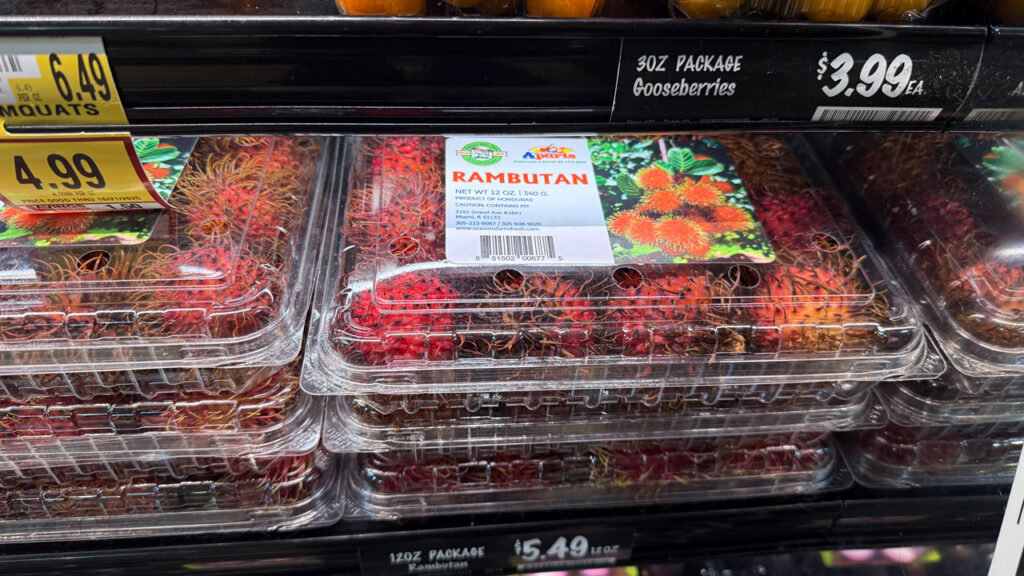
The region’s diverse climates, Valdes adds, allow for continuous production, ensuring consistent availability, high quality, and providing supply for consumers even when domestic is limited.
Central American products, Eagle notes, afford retailers an opportunity to market high-quality, unique products that provide excitement on the shelf and great flavor and nutrition for families. “We offer year-round supplies of menu items that resonate with today’s shopper.”
Similarly, Cabini argues that Central American imports give U.S. retailers a competitive edge by offering freshness, affordability, and consistency during times when domestic supply is limited.
“We see continued growth in consumer demand for transparency, sustainability and social impact,” he says. “The next generation of consumers doesn’t just want good fruit—they want to know where it came from, who grew it, and what difference their purchase makes.”
2 of 14 article in Produce Business January 2026
Have a story to share?
Take a place at Produce Business