
Retailers Find Success With Broccoli Sales
September 14, 2026 | 9 min to read
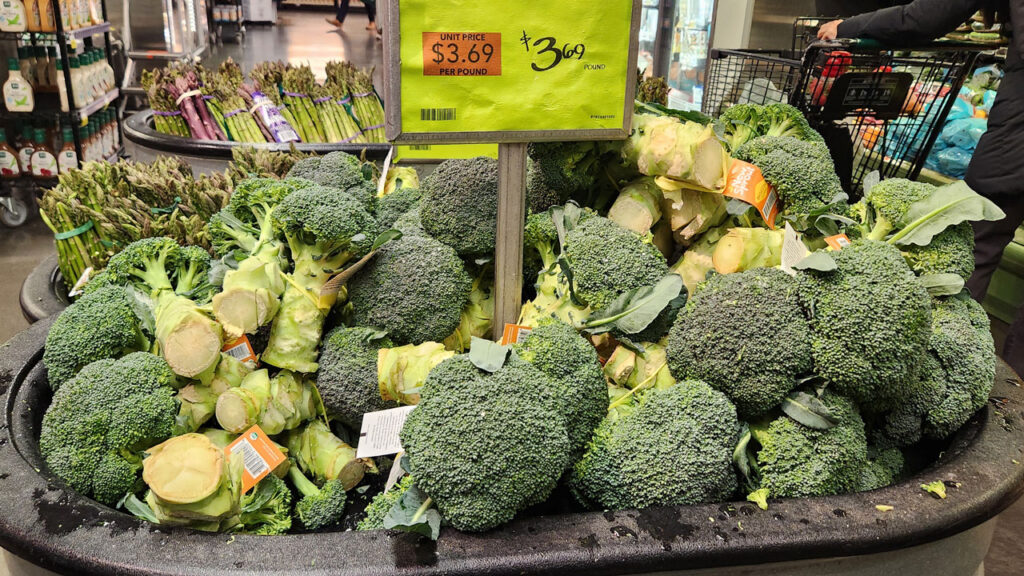
As a destination item, broccoli can be moved quickly with appropriate merchandising techniques.
ONLINE EXCLUSIVE
When it comes to healthy green produce, broccoli has become a staple item for retailers over the past decade.
“It is no longer just a background vegetable,” says Jason Turek, partner at Turek Farms and Cayuga Produce, based in King Ferry, NY. “Consumers are more health-focused, and broccoli fits well with that trend because it is familiar, nutritious, easy to cook, and works in many meals.”
And it’s one produce item that has experienced steady growth in the U.S. over the last decade.
“[This is] fueled by rising consumer interest in health, plant-based diets and convenient meal solutions, though recent seasons have seen more moderate gains due to supply challenges,” says Nichole Towell, senior director of marketing and innovation at Duda Farm Fresh Foods, Oviedo, FL.
She adds that broccoli demand remains steady in 2026, as it is perceived as a produce essential, maintaining purchases even as prices rise.
Broccoli is a strong seller at BriarPatch Community Market’s two stores in Grass Valley and Auburn, CA, according to assistant manager Danielle Wilson.
“We mainly sell broccoli crowns and bunches,” she says. “These are displayed in 2-foot-wide bins for each type, in 1 ½ to 2 cases.”
BROCCOLI AVAILABILITY
Tanimura & Antle, Salinas Valley, CA, offers broccoli in whole heads, bunches and crowns, along with bulk product and wrapped retail-ready formats. In addition to conventional and organic broccoli offerings, the company continues to invest in branded and differentiated items, including Tanimura & Antle Artisan Sweet Broccoli.
“Within our vegetable portfolio, broccoli plays an important role in both retail and foodservice programs,” says Quincie Gourley, communications manager. “We emphasize freshness and quality by packing product directly in the field, helping preserve shelf life and deliver a product that performs from distribution through the store and ultimately for the consumer.”
According to Roberto Ornelas, Tanimura & Antle’s product manager, over the past decade, the broccoli category has remained a staple, supported by steady consumer demand.
“While overall consumption has remained relatively stable, the composition of the category has shifted,” he says. “Value-added broccoli has likely seen the most growth. Conventional fresh broccoli has experienced some share pressure, particularly from increased supply coming out of Mexico.”
Ornelas adds that another major shift has been geographic diversification. Production has expanded beyond the traditional regions, with increased supply coming from Canada, the East Coast, Florida, Michigan and Mexico. This has created year-round availability, which influences pricing and promotional activity.
Salinas, CA-based Ippolito International operates year-round from California and Arizona. The company provides fresh-pack and value-added conventional and organic vegetables under the Queen Victoria brand.
“We have seen good, solid growth in the broccoli category, especially on the value-added side,” says Jacob Abramson, sales/commodity manager. “Our foodservice packs, such as the 4/3-pound and 6/3-pound, continue to see growth, along with our mini florets, which bring a little more versatility.”
Ippolito’s fresh carton program has also grown significantly, he adds.
As a produce department staple, broccoli can be offered in many versions within the produce department.
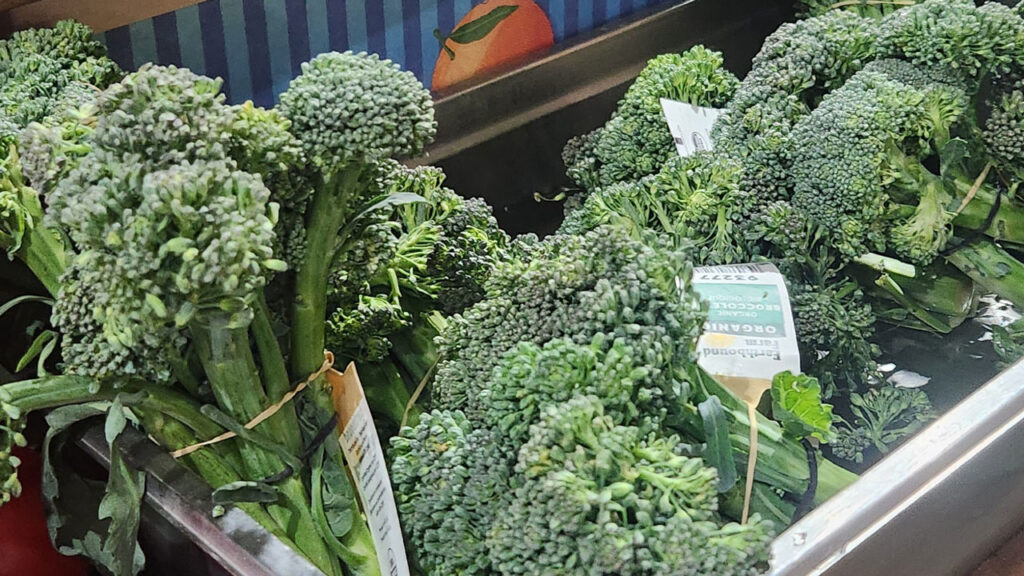
“There is a place for both regular broccoli, as well as crown cut, which has minimal stem attached,” says Abramson. “Also, the value-added section can merchandise the fresh-cut broccoli florets in various sizes.”
“There is a place for both regular broccoli, as well as crown cut, which has minimal stem attached. Also, the value-added section can merchandise the fresh-cut broccoli florets in various sizes.”
— Jacob Abramson, Ippolito International, Salinas, CA
Ippolito continues to test new value-added and commodity broccoli varieties. “Our processing needs are similar to our commodity needs; we seek high yields in the field, and a stalk with good color, with a consistent, tight bead on the floret.”
Although broccoli is considered a fall and winter vegetable, Abramson says it is being incorporated in salads and pizza, making it a popular summer vegetable.
“The mini broccoli florets we offer certainly open the door to different dishes that are better suited to the warmer months.”
Under its sales company, Cayuga Produce, Turek Farms supplies fresh vegetables to wholesale, retail and foodservice customers.
“Broccoli has grown as part of a broader push to offer retailers more complete seasonal vegetable programs,” says Turek. “Customers increasingly want dependable local and regional options during the summer and fall window. Our local broccoli program typically fits well from late July through early November, depending on weather.”
He adds that seed companies continue to improve broccoli varieties, especially around crown quality, uniformity, field holding ability, disease resistance and shelf life.
“From a grower standpoint, the biggest improvements are varieties that hold better in the field, size more consistently and maintain a clean green color,” notes Turek. “For retailers and consumers, that means better appearance, less waste and a more dependable eating experience.”
Better varieties, proper maturity at harvest and fast cooling help deliver a clean, mild flavor.
STEADY DEMAND
The growth Ippolito has experienced, which is reflected in store-level merchandising, is mostly due to the addition of baby broccoli.
“We have seen more interest in customers purchasing both carton baby broccoli and pre-cut and pre-washed packaged baby broccoli,” notes Abramson. “It is becoming more prevalent in stores as consumers see this as an option for the stove-top or grill, especially in the summer.”
Duda Farm Fresh Foods is a grower, shipper, processor and marketer of fresh vegetables across North America through its Dandy brand. Its primary growing regions are in Florida, California, Arizona, Georgia, Michigan and Indiana, and Duda works closely with growers to fine-tune everything from plant performance to flavor consistency and overall crop quality.
“As a diversified grower, Duda Farm Fresh Foods has seen steady demand for broccoli as part of its broader vegetable portfolio, even as the category continues to evolve,” says Towell.
“Duda Farm Fresh Foods has seen steady demand for broccoli as part of its broader vegetable portfolio, even as the category continues to evolve.”
— Nichole Towell, Duda Farm Fresh Foods, Oviedo, FL
One disadvantage is that broccoli can be a very volatile item in terms of markets and supply.
“The crop is very sensitive to cold and hot weather, so depending on the weather, the crop can be in very short or heavy supply,” notes Abramson at Ippolito. “Despite this, broccoli is a great year-round crop with plenty of ad opportunities in all seasons.”
MARKETING OPPORTUNITIES
BriarPatch Community Market has no issues moving broccoli, so it is not heavily promoted. “Even when [prices are higher], this vegetable sells itself,” says Wilson.
The store occasionally promotes local broccoli on flyers, and it occasionally will go on sale.
“We can’t predict this, since it’s cut too close [to delivery],” she says. “Due to weather events or pest issues, we can’t plan too far out.”
Although the markets don’t cross-merchandise broccoli, BriarPatch Community Market’s stores will sometimes create extra displays with ice tables on wheels.
“Shrink is never an issue,” says Wilson.
Retail promotion has evolved significantly from traditional tactics toward more dynamic, market-driven strategies, says Tanimura & Antle’s Ornelas. This has led to a greater emphasis on digital, social and lifestyle-driven marketing.
When supply is strong and pricing is favorable, retailers often look for creative ways to drive volume, says Sybil Faulconbridge, director of national sales, Tanimura & Antle. This leads to value format offerings as well as bulk presentations.
“Best practices today focus less on a single format and more on assortment strategy, including whole heads or bunches, fresh and frozen value-added florets and packaged and wrapped formats,” Faulconbridge notes. “The category is also evolving alongside shifts toward convenience and packaged produce, requiring flexibility in how broccoli is presented.”
Shrink reduction starts with product quality and supply chain discipline, Faulconbridge says. “At retail, key best practices include adhering to first in, first out (FIFO) inventory practices; proper handling and display conditions and aligning inventory levels with sales velocity.”
According to Towell at Duda, broccoli typically commands a steady, but not dominant, footprint in the wet rack, often supported by two to four facings in the base set, with incremental space added during promotional periods or peak demand windows.
“For best practices, we recommend keeping broccoli displays abundant, with deep stacks, wide facings and clean, full bins,” she says.
Towell recommends cross-merchandising broccoli with meal kits or protein-driven meal solutions, which can help drive incremental sales and increase basket size.
“During the summer months, placement near savory dips can make for a fresh backyard gathering snack or veggie tray,” she says.
To reduce shrink, execution at store level is paramount, particularly in product rotation, temperature control and product culling, she adds.
Broccoli can be made more exciting at the store by including point-of-sale recipes or cross-promoted items. “Baby broccoli can be cross-merchandised with cooking oils, Parmesan cheese, fresh onions and garlic,” advises Abramson. “It’s so nutritious and can be easily added to pastas and salads, especially in the warmer months.”
In the past, broccoli was often marketed simply as a commodity item. Today, it can be promoted around local farms, seasonal freshness, family meals, grilling, roasting, meal prep and holiday cooking, says Turek.
“The strongest promotion windows for our region are late summer through fall, when local product is available, and consumers are getting back into routines with school, sports and weeknight meals,” he says. “Retailers also push broccoli well around Thanksgiving and other fall cooking periods because it fits casseroles, side dishes, vegetable trays and healthier holiday options.”
Best practices for shelf life and high quality include keeping it cold, avoiding overstacking and rotating it frequently, advises Turek. Broccoli should not sit warm or dry.
“Retailers should avoid building overly large displays that warm up or sit too long,” he says. “Smaller, well-maintained displays usually perform better than big displays that create shrink.”
• • •
Adding On Broccoli Sales
There are several cross-merchandising opportunities for broccoli that can increase register rings, according to Jason Turek, partner at Turek Farms, King Ferry, NY. These include:
- Cheese sauces
- Salad dressings and dips
- Garlic, onions and herbs
- Potatoes
- Carrots and cauliflower
- Stir-fry vegetables
- Chicken, beef and seafood
- Pasta and rice
- Olive oil and seasonings
- Casserole ingredients around the holidays
Broccoli also works well in meal solution displays, such as with roasted vegetables, sheet-pan dinners, stir-fry meals, vegetable trays and healthy lunch prep, he says.
Have a story to share?
Take a place at Produce Business