
Produce Has Sex Appeal — It’s Time to Stop Looking Away
June 8, 2026 | 4 min to read
Somewhere along the way, the peach and eggplant became icons of cultural flirtation, and the produce world looked the other way and kept talking as if fruits and vegetables were merely earnest, wholesome, and good for you.
That gap is worth paying attention to — wholesome and sexy are not mutually exclusive.
Produce has never lacked personality. It has color, fragrance, texture, beauty, seasonality, pleasure, and an almost unmatched ability to signal freshness and vitality. It can be comforting or adventurous, elegant or messy, familiar or surprising. It can be luxurious, playful, dramatic, and deeply satisfying.
As a chef, I have spent more than 30 years working in what we now call farm-to-table, the space between the field, the kitchen and the consumer. I believe one of the greatest opportunities in produce today is not simply to grow, ship, or display it well. It is to translate it better and elevate the sex appeal — that space where CPG excels.
Most consumers are not experts in seasonality, varietals, ripeness, handling or flavor development. They are in a grocery store deciding quickly, or looking at a menu for a few seconds, or scrolling past content that must earn attention immediately.
That is why our broad language, like “fresh,” “healthy,” and “good for you,” while still true, is no longer enough. It may establish virtue, but it does not necessarily create desire. And desire is what moves people toward action.
People do not choose food only because it is responsible. They choose it because it sounds delicious, looks beautiful, feels relevant, and fits into their lives. They want confidence. They want usefulness. They want flavor. They want to know what something is going to do for dinner tonight, for lunch tomorrow, or for the small, but meaningful, pleasure of eating well.
On menus, too often, fruits and vegetables are described as an afterthought or a healthy obligation, rather than highlights. They appear as the lighter option, the side dish, the garnish, the substitute, or the healthy part of the plate.
But when produce is described with real culinary intention, it becomes something else entirely. It becomes the reason to order. A charred spring onion with citrus and herbs. A chilled melon with lime and chipotle. A ripe tomato layered with texture and salt. The difference is not only in the ingredient. It is in the language.
At retail? Produce departments are visually rich, but visual abundance is not the same thing as consumer confidence. Shoppers need more than display. They need cues, suggestions, information. What does it taste like? What is the texture? How do I use it? Is it ready now or later? What should I pair it with? Why this one over that one? Better signage, better packaging copy, and more useful merchandising can turn uncertainty into enthusiasm — and purchases.
And when writing about produce or speaking on sales calls, the opportunity may be even greater. Produce is often discussed in generic terms that flatten its appeal. But fruits and vegetables are inherently sensory. A peach is not simply healthy; it is perfumed, fleeting, and best when eaten over the sink. A fig is lush. A mango is messy in the best possible way. Chiles bring heat and thrill. Strawberries can feel romantic. Tomatoes at peak season are almost unreasonable in their beauty. Pomegranates are dramatic.
The sex appeal of produce is not manufactured; it is inherent. It lives in ripeness, perfume, color, texture, anticipation, and the fleeting perfection of something at its peak. The perfect bite can be similar to the perfect sip of wine — it will never happen again with the same circumstances, and this is what makes it all the more memorable. The power of produce is not only nutritional. It is emotional, visual, textural and experiential.
That is why the peach and eggplant emojis matter, culturally and strategically. They remind us that produce already has social currency. It already carries symbolism, humor and recognition. The point is not to make produce marketing gimmicky. It is to recognize that fruits and vegetables are not bland objects in need of virtue-based rescue. They are already vivid. Our job is to speak about them with more accuracy and imagination.
This matters even more with younger consumers. A new generation of eaters is visually literate, globally curious, and highly attuned to tone. They respond to authenticity, but they also respond to clarity, usefulness and style. They want food to feel engaging and relevant, not instructional or distant. That makes produce translation not a nice extra, but a real commercial opportunity.
The good news is that produce does not need reinvention. It needs a new interpretation.
It needs menu language that makes it craveable. Retail storytelling that makes it approachable. Writing that makes it memorable. It needs the same intentionality other categories have long used to build desire, loyalty and excitement.
The produce industry already has an extraordinary product. Fruits and vegetables bring color, vitality, versatility, and built-in sensory appeal. But in a crowded marketplace, those qualities do not always speak for themselves. They need to be translated into terms that consumers can feel, picture, crave, and act on.
The opportunity is right in front of us: to leave behind the stodgy old language of produce, and start talking about it as it truly is — vibrant, beautiful, sexy, desirable, and absolutely worth choosing.

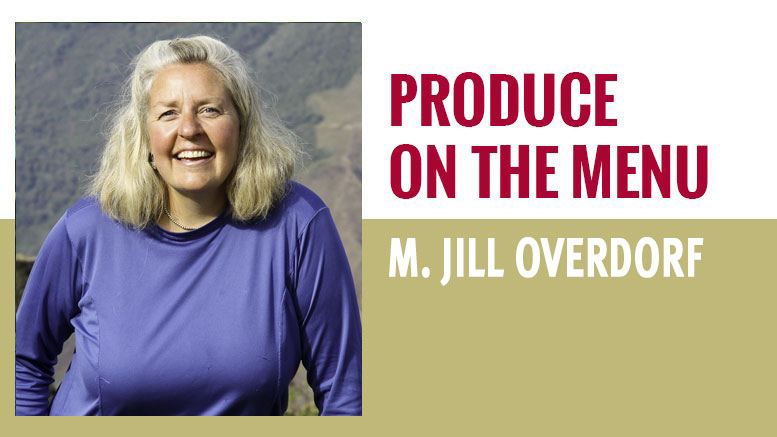
M. Jill Overdorf is founder and president of The Produce Ambassador, which provides strategic insight, brand development, and innovative solutions for the foodservice, produce, hospitality and culinary sectors.
3 of 9 article in Produce Business May 2026
Have a story to share?
Take a place at Produce Business