
Leadership: How It’s Evolving, and Why It Matters
July 14, 2026 | 4 min to read
Leadership matters! It is the foundation that supports companies and organizations and builds the future. It’s not just about authority or decision-making; it’s about influence, vision, and the ability to fuel others toward a shared goal. Effective leadership fosters trust, nurtures development, and drives change.
Leading isn’t just about managing; it’s about mentoring. It’s not about directing; it’s about empowering. In our industry of constant change, leadership is what helps teams stay steady and keep moving forward. It matters because people matter.
Leadership touches people’s lives every day. It’s how we come together to build, to grow, and to move forward. As our world becomes more connected — and more unpredictable — the need for leadership that is thoughtful, courageous, and compassionate will only grow stronger.
HOW LEADERSHIP IS EVOLVING
Leadership today is completely different than it was a generation ago. I’ve seen a gradual shift from traditional leadership to approaches that focus on collaboration, empathy and adaptability. When I started my career, leadership often meant “ruling with an iron fist” — a top-down approach where the leader had to be strong and stringent. Today, I roll up my sleeves alongside my team, regardless of my title.
In my own experience, leadership is also about being present for your team — leaning in when they’re overwhelmed, and making sure no one feels left behind. In our fast-paced business, I often remind my team, “If you need help, I don’t think you’re not doing your job. We’re in this together.” It’s not about handing off responsibility, but about building accountability and resilience, and creating an environment where empathy exists and everyone feels recognized, heard and appreciated.
Strong leadership now brings out the best in the team by delegating, trusting and creating a space for individualism. Mentorship is key, where a leader guides and supports rather than directing every move. For example, during the COVID-19 pandemic and then tariff uncertainties, our team faced relentless price increases and unpredictability. My role was to keep the team calm, encourage positive thinking, and remind them that challenges can be worked through together.
In the past, leaders were expected to have all the answers. Today, people want leaders who are real — willing to be open, admit challenges, and connect on a human level. Qualities like transparency, vulnerability and emotional intelligence matter just as much as strategy or expertise.
Leadership used to mean overseeing every detail. But the best leaders now focus on lifting others up. I mentor younger team members, helping them manage stress and find work-life balance. Micromanagement is on its way out, and mentorship is what people value most.
Leadership is also being reshaped by the digital age. With remote work, AI, and teams spread across time zones, leaders need new skills like digital fluency and the ability to communicate effectively from anywhere. Our CEO, for example, has challenged us to embrace AI, and I encourage my team to use it to streamline tasks, freeing time to focus on growing our business and building relationships.
BUILDING THE FUTURE
Looking ahead, leadership will be less about giving orders and more about building connections. Leaders of the future won’t just make decisions, they’ll bring people together, care about the bigger picture, and stand up for fairness and diversity.
People want to follow leaders who stand for something. Making a positive difference — whether in communities, the environment, or simply doing the right thing — will be at the heart of leadership. Outside of work, I’m involved with a nonprofit that helps families with children who have medical needs. Many of my industry peers are similarly engaged in their communities. Business is relationship-driven, and the passion we bring to our work often extends to making a difference beyond the office.
Change is constant, so leaders will need to stay curious, keep learning, and bounce back when things get tough. What matters most won’t be titles or charisma, but humility and resilience. I encourage my team to embrace change, to never be afraid to try something new, and to see challenges as opportunities for growth.
Ultimately, leadership isn’t about having every answer, it’s about asking the questions that bring out the best ideas. It’s about drawing on the wisdom of the group, rather than trying to carry everything alone. And it means shifting from leading with ego to leading with empathy — from trying to be the hero, to choosing to be the guide who helps others succeed.
The future will belong to those who can lead with vision and humility — leaders who know how to listen as well as speak, and who can turn challenges into opportunities that can be tackled together. Because leadership isn’t just a title or a position, it’s a responsibility. And it’s one we all share.
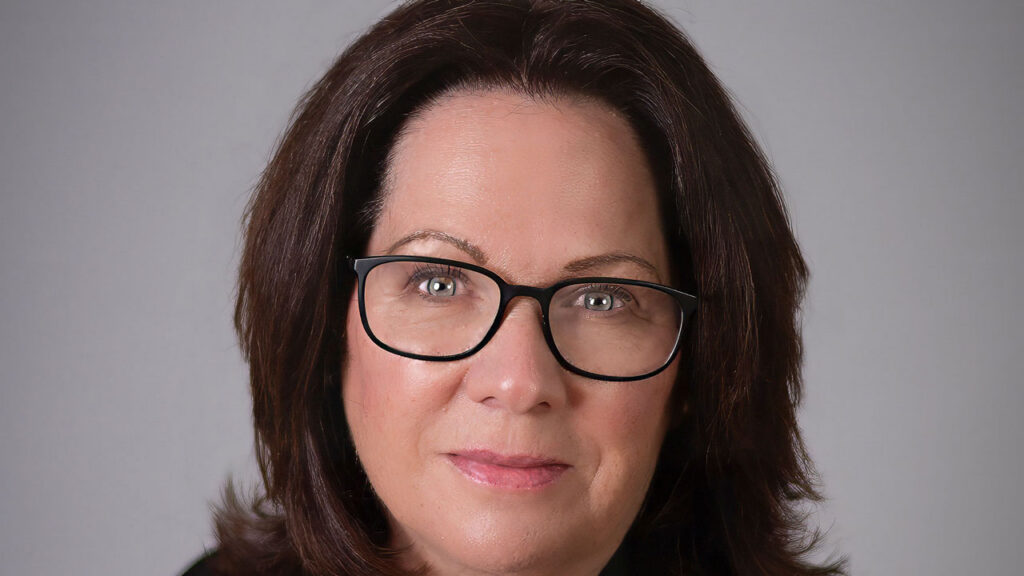
Theresa Lowden is executive vice president, produce and floral Mid Atlantic, for JOH, a regional food broker with offices throughout the Northeast and North Central U.S.
13 of 17 article in Produce Business July 2026

Have a story to share?
Take a place at Produce Business