
Carrots Taught Me the Power of Building a Brand
July 14, 2026 | 4 min to read
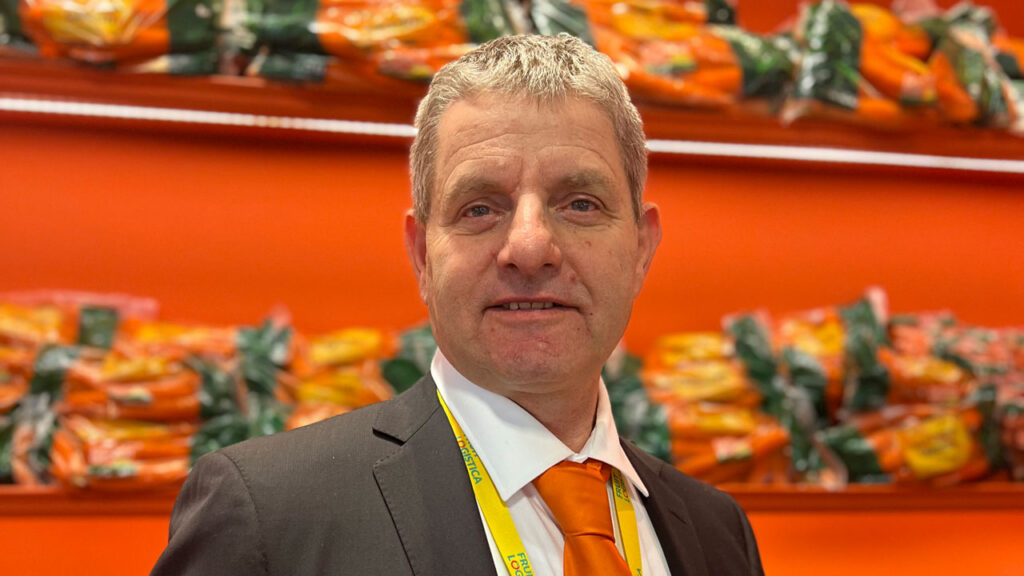
I grew up in the fields. My childhood was spent on our farm, Dorot, harvesting whatever was in season — potatoes, garlic, wheat, watermelon and carrots. I come from a third generation of farmers. Working the land wasn’t something I chose. It’s in my bones.
But what I didn’t understand back then was this: Growing a great product and building a great business are not the same thing.
For decades, the produce industry has operated as a commodity business. We grow. We pack. We ship. We compete on price. And for a long time, that model worked.
But when I came back to produce after studying business and marketing, I saw something that didn’t sit right. We were putting incredible effort into growing high-quality product, yet it was still being treated as interchangeable.
A carrot was a carrot.
That was the moment an idea started to form. What if it wasn’t? What if a carrot could stand for something? What if it could have identity, consistency, and meaning beyond price? What is the added value that I could bring?
That thinking became the foundation of Dorot Farm.
When I first started exporting jumbo carrots from Israel to North America, most people focused on the operational challenges — logistics, shelf life, demand. They weren’t wrong. But I was focused on something else.
I wasn’t trying to move product. I was trying to build something people would recognize and trust.
A brand is not packaging. It is not a logo. A brand is a promise. For Dorot Farm, that promise is simple: fresh and sweet. But once you define that, everything has to align behind it.
A brand is not packaging. It is not a logo. A brand is a promise.
Product has to deliver on that promise every time. That meant investing in how we grow, harvest, handle, and ship — not just for efficiency, but for consistency. Because if one container fails, the brand fails.
Customers are not just buyers. They are part of the brand. If they don’t believe in it or can’t sell it, it doesn’t exist at the shelf. So, we worked with them on positioning, merchandising and movement — not just supply.
Over time, something changed. Customers stopped asking for carrots and started asking for Dorot Farm.
A few years after I launched Dorot Farm in North America, customers in Europe started asking for the Dorot Farm brand and not just for carrots. It was then that I knew it had become a global brand, and we were on the right track. That’s when you know you’re no longer operating as a commodity supplier.
Vision is what allows you to stay on that path.
There were many moments where it would have been easier to go back — to chase volume, react to price, follow the market. But building a brand requires patience. Carrots sit in the ground for months. Decisions you make today show up much later. You can’t think short-term and build something long-term at the same time.
That same vision is what led us to expand into rainbow carrots, yellow carrots, and baby carrots grown in California — not as random additions, but as extensions of the brand.
This is the shift I see happening across the industry. Consumers are looking for something they recognize and trust. Retailers want partners who can help drive sales, not just fill shelves.
That creates a divide: There will be companies that continue to operate on price and volume. And there will be companies that build brands. The ones that build brands will have stronger relationships, better positioning, and more control over their future.
But it’s not easy. Building a brand requires consistency, discipline, and long-term thinking in an industry that often rewards short-term decisions. If you don’t deliver, the brand breaks quickly.
If you ignore this shift, you become interchangeable. And when that happens, the only lever left is price.
If you embrace it, the opportunity is significant. You can create differentiation, build loyalty, and move from being a supplier to something much more valuable.
For the next generation in this industry, my advice is simple. Start with a vision. Don’t just think about what you grow. Think about what it stands for. Spend time in the fields, but also in the stores. Watch how people buy. Pay attention to what they recognize and trust.
Because that’s where brands are built.
In the end, this business is not just about growing produce. It’s about building something people ask for by name.
Customers are looking for our brand because they trust our quality, freshness and taste.
Ami Ben-Dror is founder and chief executive of BDA/Dorot Farm, with U.S. headquarters in Melville, NY.
14 of 17 article in Produce Business July 2026
Have a story to share?
Take a place at Produce Business