
Sell Summer Salads That Sparkle
July 13, 2026 | 8 min to read
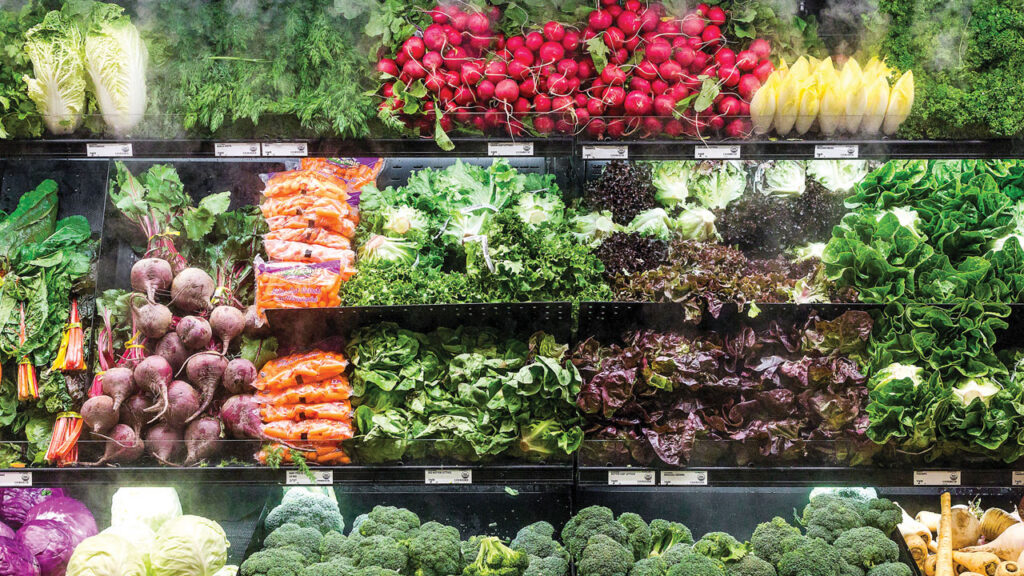
Novel ingredients can ignite sales.
As spring moves into summer, and the temperatures heat up, the produce industry shifts into summer salad season — a time of the year that is growing in importance. However, there is much more to summer salads than simple leafy greens. With the right kind of inspiration, shoppers are open to embracing specialty vegetables, as well as fruits, as the perfect ingredients to give a summer salad extra color, flavor and zip.
Based in Le Grand, CA, J. Marchini Farms is best known for growing three radicchio varieties — radicchio, Treviso and Castelfranco, which it supplies year-round. New for 2026, J. Marchini is expanding its Tuscan kale crop, a leaf also known as Lacinato kale or Dino kale.
According to Marissa Marchini, Tuscan kale, with its sturdy leaves and earthy flavor, pairs well with the bitterness of radicchio in a salad. “Tuscan kale does well in the summer heat, considering its sturdy leaves don’t wilt like other types of lettuces,” she says. “It’s the perfect addition to any summer salad.”
Away from leafy vegetables, J. Marchini also has summer figs available between June and August.
Marchini believes both products fit neatly into a market-wide trend for loading salads with non-traditional ingredients, from in-season fruits and vegetables to chickpeas and global flavors, all of which are transforming the summer salad into a complete meal.
Summer naturally drives increased demand for leafy greens as consumers shift toward lighter meals, outdoor dining, grilling, and healthier eating habits, says Loree Dowse, vice president of marketing and communications, Church Brothers Farms, Salinas, CA.
According to Alex Jackson, vice president of sales and marketing at Los Alamitos, CA-based Frieda’s Branded Produce, consumers are moving away from boring, predictable salads.
“They’re using whatever ingredients they have available, rather than following strict recipes,” she says. “It’s more about the experience of making something and balancing the flavor elements: sweet, savory, crunchy and acidic. Specialty produce can complement familiar ingredients in the fridge and make them feel new.”
Jackson argues the produce department should be viewed as a place of discovery, not a checklist that looks identical year after year. To achieve this effect, she advocates stocking items that give shoppers “something to figure out and a clear payoff when they do.”
For B&W Quality Growers in Fellsmere, FL, flavor and nutrition are a central focus for summer salads, with the company benefiting from the ability of its top performers — watercress and baby arugula — to fit into today’s wellness trends.
“During the summer, consumers naturally shift toward lighter meals, fresh salads, and simple seasonal recipes,” says B&W’s marketing manager, Anna Klawitter. “Watercress fits well into that trend because it adds fresh flavor and exceptional nutritional value, while baby arugula remains popular for its versatility and distinctive taste.”
SUMMER MERCHANDISING
When it comes to effective merchandising of summer salads, Dowse at Church Brothers says retailers achieve the most consistent results when they promote salads as part of a complete meal solution, rather than treating them as a stand-alone category. “Cross-merchandising helps shoppers envision complete meals and encourages larger basket sizes.”
Dowse also recommends showcasing different greens and usage occasions to drive incremental sales and category engagement, given that consumers often purchase the same salad items repeatedly.
Klawitter advocates making it easy for shoppers by offering both healthy foods and inspiration for quick meal ideas.
“We see the best results when retailers pair products with simple recipes, nutritional messaging, and complementary items,” she says.
Based in Santa Maria, CA, Babé Farms has introduced several specialty lettuce items, which, according to Marketing Manager Matt Hiltner, are aimed at elevating fresh salads beyond standard bagged options.
In Hiltner’s opinion, retailers can create stronger displays by cross-merchandising specialty salad greens with seasonal and complementary items, such as stone fruit, berries, tomatoes, cucumbers, radishes, carrots, herbs, dressings, cheeses and nuts.
“Because leafy greens are especially sensitive during the warmer months, hydration and rotation are key,” Hiltner advises. “Regular misting, proper refrigeration, and attentive display maintenance help preserve freshness and shelf appeal.
“Retail teams should routinely inspect displays, remove any bruised, wilted, or decaying leaves, and keep the product looking clean, full and inviting.”
Hiltner also recommends merchandising specialty items “in a way that feels approachable” by employing clear signage, usage suggestions, and simple recipe ideas. “When consumers can visualize the finished dish, they are much more likely to try something new.”
Marchini recommends focusing on ways salads can be included in group settings — such as a family barbecue — given that summer is traditionally a social time of the year.
INSPIRE SHOPPERS
Jackson, at Freida’s, believes nearly any produce items can become a salad ingredient. “Retailers can inspire shoppers by showing them how unique fruits and vegetables fit into today’s creative salad trends, rather than treating them as stand-alone ingredients.”
To achieve this, Jackson argues signage should answer “what can I do with this?” not just “what is this?”
Growing year-round in climate-controlled greenhouses in cities across the country, Brooklyn, NY-headquartered Gotham Greens recently launched single-serve “Grab & Go Salads,” which feature greenhouse-grown lettuce with toppings and dressings.
Jodi Genshaft, the company’s vice president of marketing, recommends combining produce with prepared foods, such as placing fresh basil near tomatoes for summer caprese salads.
Located in Los Angeles, CA, Robert Schueller at Melissa’s Produce advises using endcaps of tomato varieties during the peak of the June-September domestic season, as well as signage that suggests new salad combinations.
THINK BEYOND THE WET RACK
Of course, salads aren’t just about leafy greens. Headquartered in Wenatchee, WA, Stemilt Growers offers apples, pears and cherries, which can make a great addition to a packaged or homemade salad, according to Marketing Director Brianna Shales.
“Apples and pears offer a great fiber boost with natural sweetness to salads, while cherries are a seasonal favorite in the summer for fruit salads or even paired with leafy greens, goat cheese and walnuts.”
To make the most of the seasonal potential, particularly for cherries, Shales recommends a prominent position with ample shelf space to help drive impulse sales.
“Salads are no longer just a meal complement; they are now a main component of dinner that people utilize for convenience, nutrition and often add proteins, too,” says Shales.
Another complementary product category approaching peak season is California berries. Chris Christian, vice president, market insights, at the California Strawberry Commission in Watsonville, CA, says retailers can make the most of the season by maintaining large primary displays of strawberries, supported by in-store price reductions and loyalty card savings.
Also based in Watsonville, California Giant Berry Farms offers conventional and organic strawberries, blueberries, blackberries, and raspberries for summer salads.
For effective merchandising, California Giant’s director of marketing, Kyla Oberman, advocates building a clearly designated, high-traffic area in the produce section that acts as a one-stop summer salad station, using a prominent endcap or themed display table. “Keep the visual inspiration front and center with highly visible signage or recipe cards featuring innovative berry-forward salad ideas.”
Cross-merchandising is also crucial, according to Oberman, who recommends placing mini-displays of fresh berries directly adjacent to packaged salad kits, or merchandising whole-head lettuce and artisanal greens alongside clamshells to capture impulse purchases.
“Berries can help make salads more fulfilling and heartier,” says Jerry Moran, vice president of sales at Salinas, CA-headquartered Naturipe Farms. “That matters because consumers are looking for meals that are both health-forward and filling.”
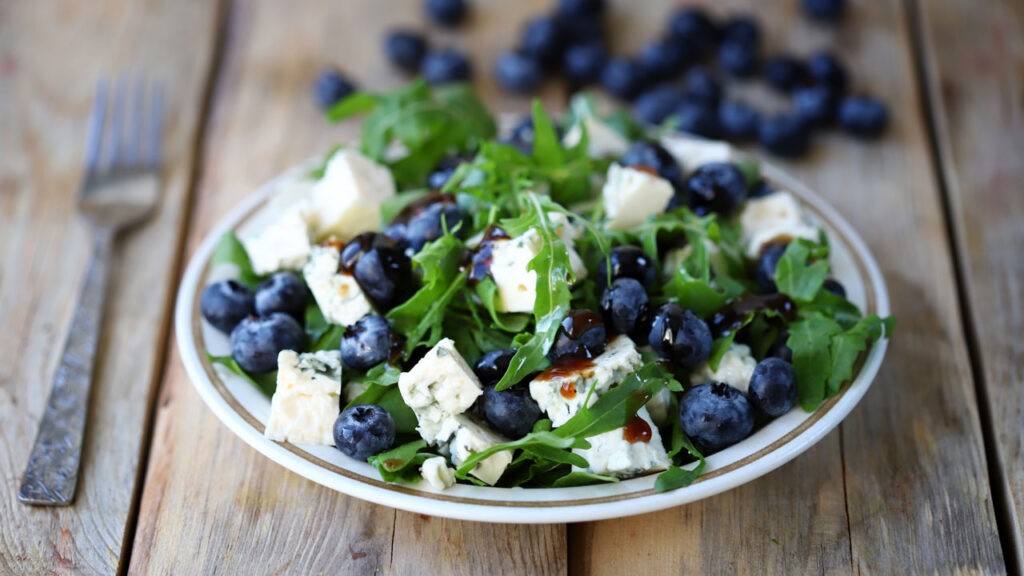
To take advantage of this trend, Moran recommends ensuring a strong visual presentation with colorful displays that signal freshness and peak-season quality. “Retailers tend to see success when they keep berry displays full and located in multiple areas throughout the store during key summer moments, like holidays, cookouts and back-to-school season.”
SALAD SUCCESSES
Klawitter says B&W has experienced success with retailers who go beyond simply stocking the product, and instead help tell its story. Such examples she cites include recipes, nutrition messaging, social media support, retail dietitian involvement, and in-store sampling, all of which perform well because they help consumers feel more confident trying something new.
Hiltner makes special mention of Taylor’s Market in Sacramento, CA, which he says has done a great job merchandising Babé’s specialty lettuces and Blonde Frisée. “They pack the product into clamshells and label it at store level, which helps make the item easier for consumers to identify, protects the product, and can help improve shelf life.”
Jackson says Freida’s has achieved strong results with retailers when the visual appeal of its products is supplemented with customer education. “Watermelon radish, for example, is beautiful when it’s cut, so show shoppers the interior with signage or samples,” she explains.
Similarly, Melissa’s Schueller says his company has achieved effective results with customized signage and point-of-sale material designed to educate and inspire shoppers to add creative salad components.
• • •
What’s Next: Three Trends Shaping Salads
Loree Dowse, vice president of marketing and communications, Church Brothers Farms, Salinas, CA, predicts three key trends will continue to shape the salad category.
- Products offering unique textures, flavors, and restaurant-inspired appeal.
- Retailers who offer both conventional and organic options are better positioned to meet a wider range of consumer preferences.
- Versatility is becoming increasingly important.
“Consumers want products that can be used across multiple occasions,” says Dowse. “Whole-leaf products that deliver flexibility are particularly well-positioned for summer.”
2 of 3 article in Produce Business July 2026
Have a story to share?
Take a place at Produce Business