
In My Nostalgic Era
December 1, 2025 | 4 min to read
When I was a little girl, I can remember my pap pulling over on the side of the road to pick blackberries and strawberries — we’d eat the sweetness right out of his salty hand. As summers progressed, freshly picked tomatoes and banana peppers with basil from the garden were staples at the Calligaro table, with salads and peaches galore at every annual beach vacation. In winter, we could always count on some form of charcuterie, celery with cream cheese, and the good old-fashioned veggie tray, which has now been relegated to me, as my go-to “what I bring to the party.” (“You make the mushrooms with love,” they say.)
Produce has always been at the center of my family traditions, but my point in sharing all of this is that the way people eat is not just a choice or a preference, but rather it is embedded in our culture from the time we are born.
One of the primary barriers to fruit and vegetable consumption is a learned lack of preference. Despite the rainbow of color and variety of taste and texture profiles, fruits and vegetables rank low in consumer choice. Fruits and vegetables do not have the appeal of other food options. Food experiences early in life affect us for life. Exposing children to fruits and vegetables in a way that creates meaningful memories, not only nourishes them, but establishes lifelong healthy eating habits.
Another barrier is mis- and dis-information people are absorbing from social media. With 5.07 billion people (or 62.6% of the world’s population) designated as users of various platforms, social media has a direct connection to the foods people eat and don’t eat.
Food experiences early in life affect us for life.
We also know that people are leaning into healthy eating trends — they want to do the right thing for their health, mind and bodies. But people know that fruits and vegetables are good for them, yet they still aren’t eating enough (based on daily recommendations).
The point is, whether by design, childhood experiences, or social media, food preferences around the world have this in common: fruits and vegetables rank low on the list. We simply aren’t drawn to eat fruits and vegetables.
WE CAN CHANGE THE TREND
This puts us in a unique position as an industry. And I feel a personal responsibility given my role as director of marketing and communications at The Foundation for Fresh Produce to change that. We can make a difference in our daily work. And that is what fuels me. My 25-year career working in PR and marketing for food and beverage companies has propelled me through the supply chain, but my passion has landed in the following purpose-driven approaches to promote produce:
- Driving demand for fruits and vegetables through culturally relevant content beyond pretty pictures on social media. Let’s work with chefs and other professionals to help consumers make them taste good. Let’s lean into flavors, texture and cultural variations. We talked at the CIA’s Menus of Change Leadership Summit — every culture has a rice dish that probably includes a lean protein and veggies. Using herbs and spices can change an entire flavor profile that might make something more desirable, craveable and acceptable for different communities.
- Leaning into the emotional connection people have with eating. It is traditions. It is childhood memories. It is gatherings. And that brings joy. It creates an experience. Flavors bring us back. They bring us together. And that’s what makes people want to do it again.
Behavioral scientist Dr. Jason Riis says, if you want people to do something different, you have to make it easy. And enjoyable. And with an immediate reward. Aside from biting into a juicy piece of watermelon in the middle of summer that takes you back to the pool when you were 8, what does that look like for everyday eating occasions? And what are people already doing or eating that we can latch onto, like pizza night or taco Tuesday?
- Activating communities where people are getting information and inspiration. There is a passionate group of food and nutrition professionals among the dietetic community who are connected to consumers at every turn where they are making decisions about food. Let’s engage them and arm them with resources so that they can share our messages for us. They are also a trusted source to debunk misinformation on our behalf.
THE TIME IS NOW
Now more than ever, people are connecting their food choices to health. And produce should be at the center.
The time is now. If we want consumers to do something different, we have to do something different too. Let’s be bold. Let’s shout from the rooftops the health benefits of our products. But let’s also make it fun. Let’s make it factual. And let’s play into feelings that build cultural experiences that turn into lifelong habits.
The time is now to put fruits and vegetables at the center of the plate at every meal, snack, road trip, little league game, school breakfast, or holiday — you get the point.
The time is now to make memories with fruits and veggies at the center. The time is now to make it cool to Have A Plant every time you eat.
Let’s do this!
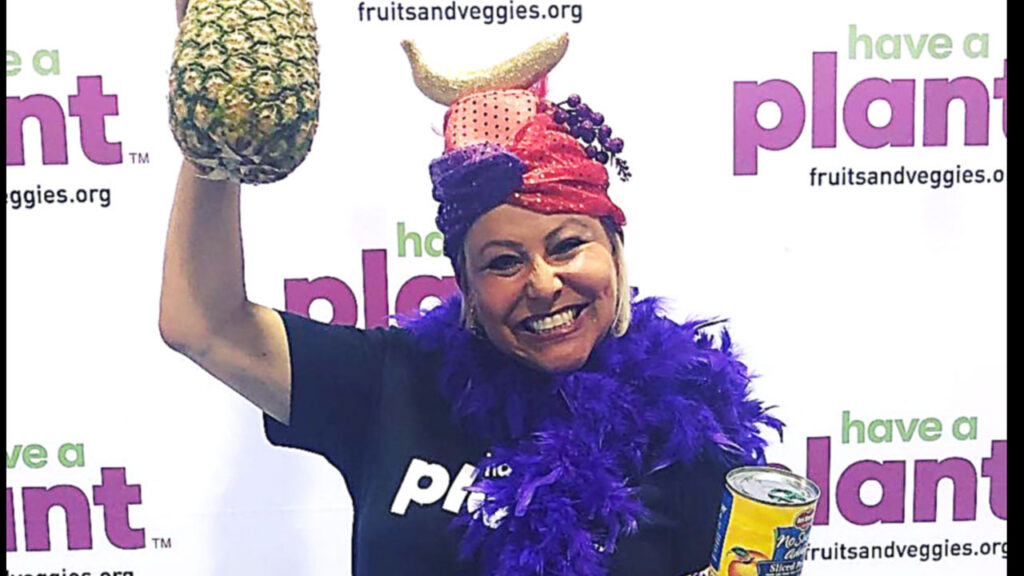
Katie Calligaro is director, marketing and communications, for The Foundation for Fresh Produce.
18 of 19 article in Produce Business December 2025
Have a story to share?
Take a place at Produce Business