
Climbing Kilimanjaro, Cultivating a Produce Business
December 9, 2025 | 5 min to read
There’s a moment, just before dawn on summit night, when the wind cuts across the upper slopes of Kilimanjaro and the only light comes from the narrow beams of headlamps. You’ve been climbing since 1 a.m., breathing thin air at nearly 19,000 feet. Each step is deliberate and slow. It is a moment that distills everything that came before: months of preparation, days of steady ascent, teamwork, resilience and strategy.
As I made my way along the 64-mile Northern Circuit, I found myself reflecting on my decades in the produce industry. Around mile 40, the parallels between climbing a mountain and succeeding in this business were striking.
1. PREPARATION DEFINES THE CLIMB. Before setting foot on Kilimanjaro, there are months of preparation.
The same is true in produce. Long before a product lands on a menu or shelf, there’s crop planning, seed selection, breeding trials, food safety audits, logistics coordination and marketing strategy. The companies that treat preparation as strategy are the ones ready when the climb begins.
2. TEAMS MAKE THE ASCENT POSSIBLE. Kilimanjaro is not a solo climb. My Northern Circuit team included four guides, 24 porters, two cooks and five fellow hikers. Each role was essential.
In produce, the team extends from seed breeders to field crews, logistics coordinators to chefs, marketers to cold chain managers. Success depends on coordinated effort along the value chain. Just as every climber contributes to the summit push, each partner in the produce world plays a role in getting from seed to service.
3. THE CAMPS ALONG THE WAY. The Northern Circuit unfolds over 10 days, passing through camps that act as physical and psychological milestones. Each camp represents strategic progress — stage gates to acclimate, reflect and celebrate.
In produce, these waypoints mirror milestones: a successful trial, a new distribution foothold, a packaging breakthrough, or a perfectly timed menu placement that makes diners stop and notice.
Just as camps help climbers adapt to altitude, strategic moves in produce build resilience and market strength. Menu placement becomes more than culinary real estate; it’s the thoughtful positioning of produce at the right moment and altitude to thrive. Honoring these stages builds long-term trust.
4. PACE DETERMINES ENDURANCE. On Kilimanjaro, “polé, polé” (Swahili for “slowly, slowly”) is survival strategy. Moving too quickly on lower slopes can lead to exhaustion or altitude sickness later. The Northern Circuit’s slower timeline allows climbers to build strength and acclimatize.
In produce, pacing growth is just as critical. Rapid expansion can outpace infrastructure and strain supply chains. Thriving companies expand deliberately, aligning growth with capacity, logistics and demand.
Thoughtful menu placement works the same way. Seasonal specials and targeted features let consumers acclimate to new flavors and formats, building loyalty without overwhelming.
5. WEATHER HAPPENS: ADAPTABILITY WINS. No matter how well you plan, Kilimanjaro’s weather will surprise you. One day, the sun beats down; the next, storms turn trails to mud. Climbers adapt.
In produce, weather is both literal and metaphorical. Climate change shifts growing patterns; logistics disruptions reroute flows; consumer trends pivot overnight. Survivors aren’t those expecting perfect conditions, they’re those who adapt with agility.
Menu placement benefits from this mindset. A bumper crop might prompt a quick restaurant special; a short season might inspire a limited-time retail feature. When conditions shift, agile operators find new routes to keep produce visible.
6. STRATEGY MEETS GRIT. On the Northern Circuit, summit night begins at School Hut around 1 a.m. Headlamps cut through the dark as climbers ascend steep switchbacks in thin air.
In produce, “summit night” might be peak harvest, a national launch, a retail reset or a crisis response. It’s when strategy meets execution and grit. Summit night isn’t the time to improvise; it’s when every part of the organization functions in harmony. Companies that thrive are those that train for summit night daily.
7. CELEBRATE THE SUMMIT. Reaching Uhuru Peak as the sun rises is breathtaking. But the summit isn’t the end, you still have to descend.
In produce, summits can be exhilarating: a product goes viral, a menu feature becomes iconic, a retailer adopts a new variety. But what happens after matters just as much.
Integrating wins into sustainable practices determines whether you can climb again. A buzzy menu placement is valuable only if it drives lasting demand, improves logistics and deepens partnerships. A successful season is the foundation for the next, not the finish line.
8. THE MOUNTAIN CHANGES YOU. Perhaps the most profound lesson from Kilimanjaro is that the mountain changes you. You arrive with a plan; you leave with perspective. The climb humbles you and reveals what you and your team are capable of.
The produce industry does the same. It teaches resilience, rewards patience and celebrates creativity. Each menu placement builds cultural relevance and reminds diners that fruits and vegetables are not afterthoughts; they are the foundation of flavor, sustainability and nourishment.
Hiking the Northern Circuit and building a produce business may seem worlds apart, but the parallels are undeniable. When I reached the summit, I didn’t just celebrate the view. I thought about every camp, every step, every storm, and every member of my team who made the ascent possible.
That’s how I see the produce industry: not as a single summit, but as a series of strategic ascents, each one building on the last. And like any great climb, it’s not just about reaching the top. It’s about how the journey shapes you — and how, step by step, you shape the journey.

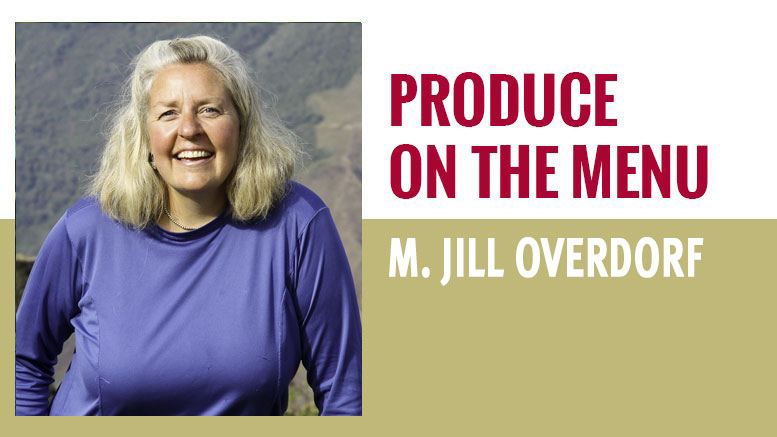
M. Jill Overdorf is founder and president of The Produce Ambassador.
3 of 20 article in Produce Business November 2025
Have a story to share?
Take a place at Produce Business