
Fresh Flavor Resurging in Detroit
December 1, 2025 | 4 min to read
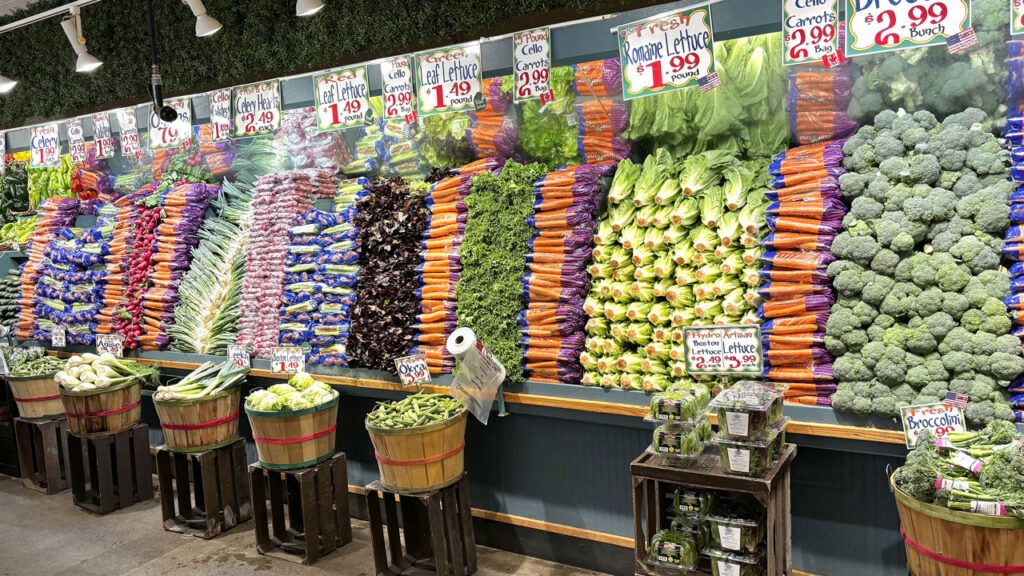
Investment and diverse consumers provide produce opportunities.
Detroit is in the midst of an economic revival. According to the City of Detroit, its population growth rate doubled that of the State of Michigan in 2024 and beat the national average.
“Development and investments in the city have grown, and the food scene is vibrant,” says Dominic Russo, general manager of Rocky Produce in Detroit, MI. “We’ve seen a lot of investment in the downtown area, and the city is surrounded by suburb little downtowns with their own dynamic food scenes.”
Detroit makes for a diverse culinary landscape in terms of types of cuisine and the fresh produce needed to make those meals, states Jordan Grainger, vice president of sales and business development for Ben B. Schwartz & Sons in Detroit, MI. “Aside from a dynamic demographic mix, Detroit has lower commercial real estate costs than other major cities, attracting professionals who want to open their own restaurants. We’ve seen explosive growth in the Detroit food scene in recent years.”
“We pride ourselves on ensuring everyone in our community can enjoy fresh, healthy food regardless
of their income.”
— Sam Randazzo Jr., Joe Randazzo’s Fruit & Vegetable, Detroit, MI
U.S. Census data indicates over half of the city’s population is Black, and there is a growing Hispanic population. Other ethnicities include Asian and Native American. “Detroit and Southeast Michigan are diverse in culture and cuisine,” says Dominic Riggio, president of Riggio Distribution in Detroit, MI. “The retail and restaurant scenes cater to that diversity.”
Detroit is one of the most unique and inspiring produce markets in the country because its population reflects a true blend of cultures, traditions and evolving diets, explains Sarah Randazzo DeLapp, marketing director at Joe Randazzo’s Fruit & Vegetable in Detroit, MI, with four stores. “We pride ourselves on carrying one of the largest selections of fruits and vegetables in the Midwest, which means we’re able to support the wide range of cuisines and traditions that make Detroit different from any other city.”
“We pride ourselves on ensuring everyone in our community can enjoy fresh, healthy food regardless
of their income.”
— Sam Randazzo Jr., Joe Randazzo’s Fruit & Vegetable, Detroit, MI
Having a mixed customer base, including students and faculty, affects the produce mix at University Foods in Detroit, MI, according to Norman Yaldoo, owner-operator. “We handle a lot of categories and specialty produce,” he says. “Demand for unique items is growing because of international customers and social media influences.”
Metro Detroit encompasses not only ethnic diversity but socio-economic diversity as well. “Our market is unique because of our diverse customer base, both ethnically and also from high-end to value-focused consumers,” says Joe Santoro, senior produce buyer at Nino Salvaggio Market in metro Detroit, MI, with four stores.
RETAIL TRENDS
According to a report by Retailstat, Detroit’s grocery store landscape “witnessed a slow but steady improvement in recent years” with at least 471 grocery stores and anticipated growth of more stores. The report notes expansion in suburbs and downtown by large retailers, such as Meijer, Target and Whole Foods.
Independent retailers play a crucial role. “Particularly in downtown, people depend on and have relationships with their neighborhood shops to get high-quality produce,” says Grainger. “There is immense loyalty to local businesses in Detroit.”
Major Detroit independent supermarkets include Harbortown, University Foods, Detroit People’s Food Co-op (a Black-led, community-owned grocery cooperative), Savon Foods Super Market and Glory Supermarket.
Joe Randazzo’s flagship location has served Detroit for over 70 years in an area often referred to as a food desert, explains Sam Randazzo Jr., produce buyer. “We’ve built our reputation on providing fresh fruits and vegetables where access hasn’t always been available and affordable,” he says. “By sourcing from local farms when possible and buying in volume like a wholesaler, we keep costs down and pass those savings onto our customers.”
Another defining factor of Detroit’s produce marketplace is the variety of diets. “We’ve seen an increasing demand for plant-forward lifestyles,” says Randazzo Jr. “Vegans, vegetarians, dairy-free and gluten-free customers rely on our wide selection of produce to support their dietary needs. We believe managing dietary restrictions shouldn’t have to be expensive.”
Convenience continues to trend. “We’ve seen an increase in value-added,” says Santoro. “Cut fruit and chopped vegetables are consistently on the rise for us.”
Joe Randazzo’s offers home delivery through Instacart. “Our grocery buyer has brought in convenience items, such as salad kits, and we offer fresh-cut fruit and vegetables to allow affordability to meet convenience,” says DeLapp.
RESTAURANT TRENDS
Detroit is experiencing a restaurant renaissance. Jeremy Galli, wholesale delivery manager for Joe Randazzo’s, says Detroit’s adventurous diners, and global flavor seem to be thriving. “We’re seeing new kinds of food from all over the world,” he says. “Places are serving up new twists on Japanese, Mexican, and even African street food. The new trend is all about bringing new flavors to the city.”
Restaurant trends drive variety. “Our food scene is not only growing in size, but also in diversity,” says Grainger of Ben B.
Detroit’s close connection to local farms and its thriving restaurant scene keep produce at the center of everyday life, states Randazzo Jr. “From chefs sourcing authentic, high-quality ingredients to families stocking up on seasonal favorites, produce is part of what makes Detroit’s food scene so unique,” he says. “Our role as a family business is to keep that tradition alive — bridging cultures, supporting local farmers, and making sure fresh, healthy food is accessible to everyone.”
8 of 20 article in Produce Business November 2025
Have a story to share?
Take a place at Produce Business