
Lunar New Year Places Produce Centerstage
January 7, 2026 | 9 min to read
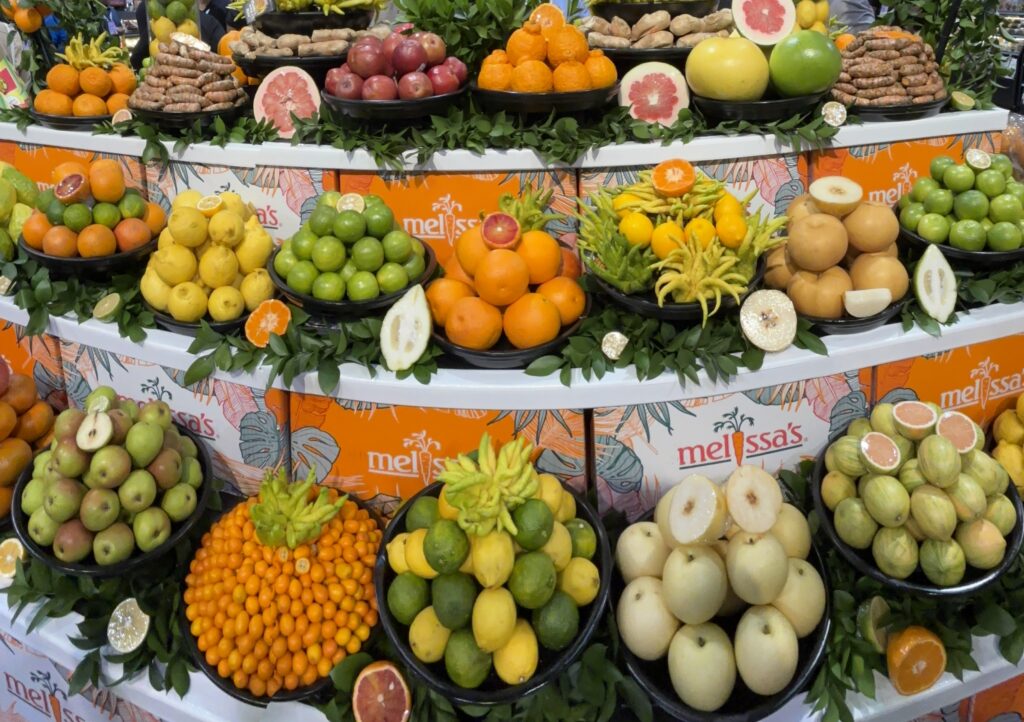
Retailers can highlight tradition, gifting and quality.
Lunar New Year — also known as Spring Festival or Chinese New Year — is one of the most celebrated holidays worldwide, marked by traditions that place fresh produce at the center of meals, gifting and cultural symbolism. Typically falling between late January and late February each year, the festival is marked by colorful, noisy celebrations, and also by the practice of giving premium, high-quality fruits as gifts.
For grocery retailers, Lunar New Year — which falls on Feb. 17 in 2026 — presents an optimum seasonal sales window to market the best produce available. For retailers looking to make the most of this annual opportunity, it is worth exploring what key products are, as well as the best merchandising strategies, and promotional opportunities to engage shoppers amid the festivities.
FRUITS ARE SYMBOLIC
According to Peng Liu, president of Plainview, NY-based importer Orchard Direct, fruit play an important role in the daily life and social traditions of many Asian communities. During the Lunar New Year, consumer behavior toward fruit changes significantly, Peng explains, with shoppers focusing on high-quality, premium products for entertaining guests and gift-giving.
“Fruits with auspicious meanings are especially popular during this festive season,” he says. “For example, mandarins symbolize ‘great fortune,’ apples stand for ‘peace,’ persimmons represent ‘everything goes smoothly,’ and oranges convey ‘success and fulfillment.’”
“Fruits with auspicious meanings are especially popular during this festive season. For example, mandarins symbolize ‘great fortune,’ apples stand for ‘peace,’ persimmons represent ‘everything goes smoothly,’ and oranges convey ‘success and fulfillment.’”
— Peng Liu, Orchard Direct, Plainview, NY
He says fruits are also commonly used as offerings to deities and ancestors, placed at home to bring luck and happiness to the family. “In addition to their role as gifts and offerings, fruits are an essential part of the new year dining table, adding festive color and representing wishes for prosperity and a better year ahead.”
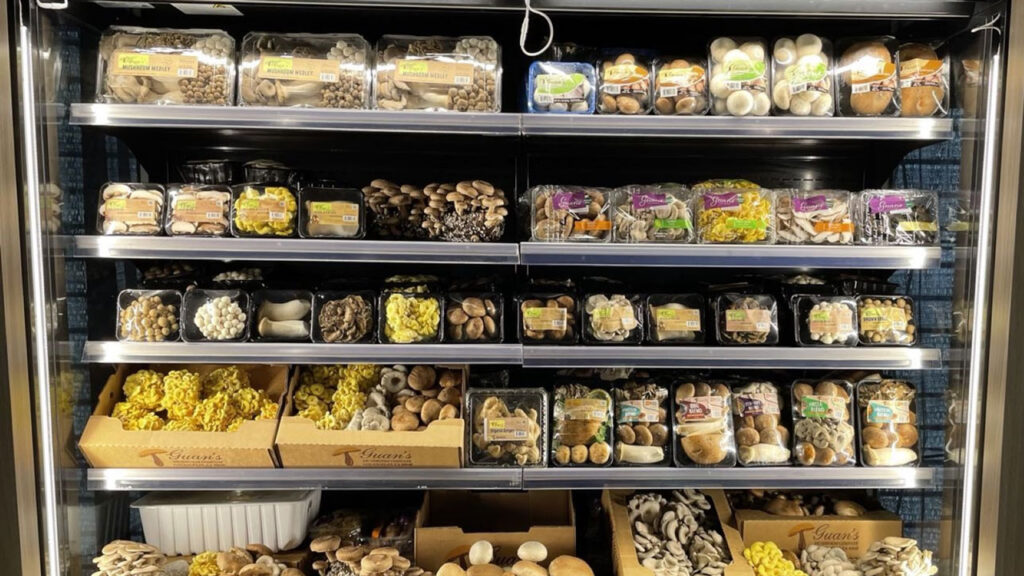
Peng says demand for mid- to high-end vegetables also increases sharply during the Spring Festival, often outpacing supply. Seasoning vegetables — such as green peppers and garlic sprouts — are particularly sought-after, accounting for 26% of total vegetables sales during the period, according to Peng. Enoki mushrooms are a key item during the holiday, and are Orchard’s most popular edible fungi during the period.
Alex Jackson, vice president of sales and marketing at Los Alamitos, CA-based Frieda’s Branded Produce, agrees, emphasizing the “deep cultural significance” that produce holds during Lunar New Year.
“In many Asian cultures, fruits represent good fortune, prosperity and longevity,” she explains. “Round fruits, for example, symbolize completeness and unity, while red and gold colors are associated with happiness and wealth. Families often offer fruits like pomegranates, apples, citrus, and grapes to honor their ancestors and deities. It’s a celebration that’s rich with meaning. Produce plays an essential role in that story.”
ITEMS TO HIGHLIGHT
Food plays a central role in Lunar New Year celebrations, with many traditional dishes carrying rich symbolism, representing prosperity, health, and abundance, according to Jennifer Hirano, vice president of marketing at POM Wonderful and Wonderful Halos, Los Angeles, CA.
Wonderful benefits from the perception of pistachios as the “happy nut” in China, due to the resemblance of pistachio shells to smiling mouths, which has given the product a perception of joy and good fortune. Equally, mandarins’ appearance is thought to symbolize the sun bringing wealth and happiness, while red pomegranates are associated with luck, prosperity, fertility and longevity.
“As someone who has grown up celebrating Lunar New Year my entire life, authenticity and cultural understanding are what truly resonate during this important season,” says Anita Lam, vice president of Greater China for Wonderful Pistachios and Almonds. “Retailers shouldn’t just think about what products to display, they should think carefully about why those items matter.”
“Authenticity and cultural understanding are what truly resonate during this important season. Retailers shouldn’t just think about what products to display; they should think carefully about why those items matter.”
— Anita Lam, Wonderful Pistachios and Almonds, Los Angeles, CAAccording to Cassie Howard, senior director of category management and marketing at Sunkist Growers, Lunar New Year represents a significant seasonal opportunity for citrus — especially as peak timing for varieties like navels and Cara Caras aligns with the holiday window.
“Navels and Cara Cara oranges are key citrus varieties that naturally lend themselves to Lunar New Year traditions, thanks to their bold color, sweet flavor, and seasonal availability,” she says. “These varieties symbolize wealth and good luck, making them perfect for gifting and entertaining.”
Based in Los Angeles, CA, importer-marketer Melissa’s covers a wide range of produce items to cater to the Lunar New Year season, including butterscotch pears, rambutans, kumquats, Buddha’s-hand, and other specialty favorites on the fruit side. The company also markets premium Asian vegetables, such as ginger, baby bok choy, napa and daikon.
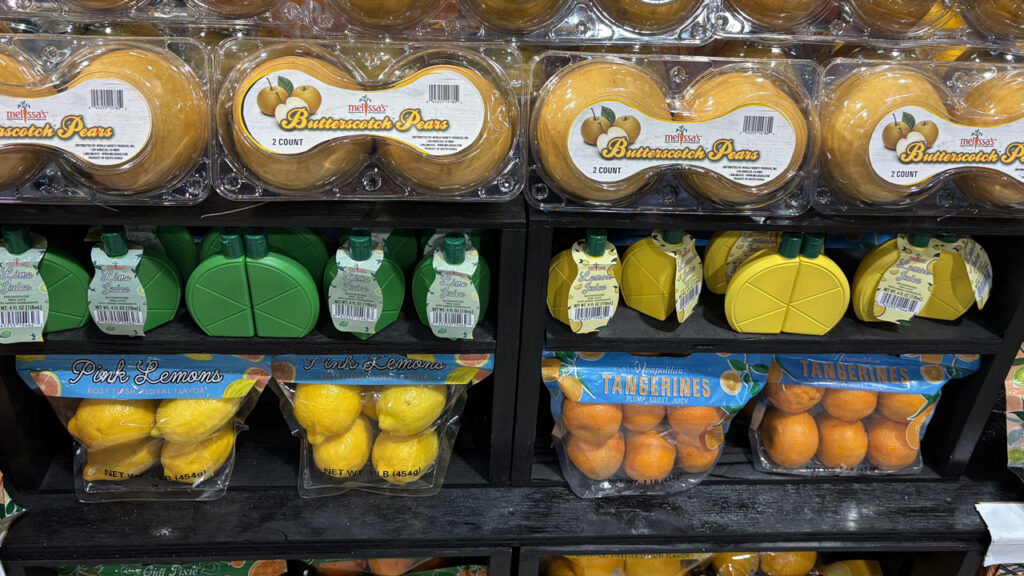
Melissa’s director of public relations, Robert Schueller, says it’s a great time for any retailer to increase their line of Asian produce. “Melissa’s offers over 50 items that we suggest can be promoted for this annual event.”
Jackson at Frieda’s recommends focusing on fruits that are both traditional and visually vibrant, such as mandarins, oranges, kumquats, dragon fruit, Asian pears, pomegranates, grapes and apples.
“These fruits carry auspicious meanings and offer a colorful, high-impact presence that draws attention to seasonal displays,” she says. “Incorporating authentic signage and cultural storytelling sparks interest among those celebrating and curiosity among those who are new to the tradition.”
EMPHASIZE GIFTS
Established to make premium Asian fruits accessible to Asian communities in the U.S., Orchard Direct markets a wide range of premium fruits and nuts, including its signature Autumn Moon pears, Bingtang pomelos, Venus apples and POP chestnuts.
“During the Lunar New Year, consumer demand for fruit shifts strongly toward gifting, with higher spending power and greater attention to added value — such as premium packaging and nutritional quality,” says Peng. “Demand for ordinary fruit tends to decline, while sales of new, distinctive, and mid- to high-end varieties rise significantly.”
Core holiday fruit items for Orchard include Red Fuji and Red Delicious apples, Xinjiang Fragrant Pears, citrus, including navel oranges, and Emperor and Sugar mandarins, boxed strawberries, bananas, dragon fruit, Hami melons, and Kirin and Black Beauty watermelons. All, says Peng, should receive strengthened in-store display and promotional support during the festival period.
He says seasonal products, such as Thai Longan, premium red grapes, kiwifruit, and cherries, also see a sharp rise in demand due to gifting demand.
CROSS-MERCHANDISING IDEAS
Peng suggests ideal product pairings for premium fruit sales include “elegant gift assortments that feature fruits with auspicious meanings and attractive appearances,” including persimmons, oranges, and apples, which are traditionally associated with good fortune and happiness.
He also recommends combining premium fruits with trending or specialty varieties, as well as “visually appealing and symbolically rich” products like mangos and kiwifruit.
Wonderful’s Lam sees the strongest cross-merchandising potential in pairing “naturally auspicious and health-forward products,” suggesting placing green pistachios alongside red pomegranates for abundance, and citrus for wealth and luck. “These natural pairings create a vibrant, culturally resonant presentation that immediately connects with Chinese shoppers.”
Schueller at Melissa’s recommends stocking Asian vegetables in multicultural produce areas, alongside value-added Asian items, such as tofu, egg and wonton wrappers.
Jackson believes there is a tremendous opportunity to build a cohesive Lunar New Year destination in-store by cross-merchandising produce with traditional staples from the center store, such as noodles and sauces, along with fresh items from other departments, including tofu, wonton or egg roll wrappers and fresh herbs. Even bakery, she says, can join in with Lunar New Year pastries and sweets.
“The goal is authenticity, creating a destination that attracts shoppers who celebrate the holiday, while inspiring discovery among others,” adds Jackson.
As one of the most versatile categories in the produce department, citrus offers natural opportunities to build connections across the store during the Lunar New Year season, according to Howard at Sunkist Growers.
“Retailers can lean into that flexibility by exploring creative in-store pairings that reflect both tradition and modern use — from culinary inspiration to wellness-driven displays,” she says.
THE LUNAR NEW YEAR STORY
At the individual store level, retailers can tap into the Lunar New Year appeal, whether using packaging, displays or signage to deliver a message or story. In the case of Sunkist Growers, the company will this year be launching its new “Year of the Horse” 10-pound carton and multi-variety display bin, featuring custom illustrations and authentic designs that highlight the significance of citrus in Lunar New Year observance.
“These assets are designed not only to attract shoppers, but to honor tradition and share cultural context at shelf-level — a key driver for engagement during this holiday window,” says Howard.
Lam says Wonderful’s seasonal strategy focuses on creating premium, ready-to-gift packaging that eliminates the need for additional gift wrapping for pistachios and almonds.
For the 2025 Year of the Snake, the Wonderful Pistachios and Almonds gift box featured a vibrant holiday red symbolizing prosperity, accented with golden lines forming a heart shape, representing enduring love and abundant blessings.
Rather than relying on seasonal packaging, Jackson says Frieda’s focuses on authentic, educational signage and storytelling. “Our point-of-sale materials highlight the meaning behind each fruit and offer preparation ideas while celebrating the beauty of cultural traditions,” she explains.
Melissa’s, meanwhile, offers retail customers signage, recipe cards, and clip strips for promoting Asian fruits and vegetables in the produce department.
Peng recommends displaying high-value items, such as Thai Longan, Gold kiwifruit, blueberries, and premium mangosteen, in full-case stacks. Promotions like “Better Value by the Case,” he says, can effectively attract pre-holiday shoppers, boost turnover, and expand profit margins.
To celebrate the holiday, Orchard has a range of seasonal packs available, including special Lunar New Year gift boxes, featuring vibrant red and gold tones, complemented by circular motifs and New Year blessings that symbolize reunion and good fortune. One example is the company’s Autumn Moon pear gift box, which incorporates gold stamping and a Chinese Zodiac theme to highlight traditional New Year elements.
“For Orchard Direct, the Lunar New Year is more than a commercial opportunity — it is a meaningful opportunity to share our core values of quality, culture and connection,” explains Peng.
The company also supplies thematic displays, in-store signage, stickers, digital advertisements, and social media campaigns aimed at strengthening the emotional connection between the brand and the cultural traditions of the season.
In the U.S., Asian Americans account for only about 7% of the total population, but Peng says they represent one of the most important consumer groups for premium fruit, a fact which is especially evident during the Lunar New Year season. “From my perspective, as a high-end fruit brand, success goes beyond product quality and packaging — it also depends on meaningful consumer engagement.”
WHAT THE EXPERTS ARE SAYING
“Authenticity and cultural understanding are what truly resonate during this important season. Retailers shouldn’t just think about what products to display; they should think carefully about why those items matter.”
Anita Lam, Wonderful Pistachios and Almonds, Los Angeles, CA
“Fruits with auspicious meanings are especially popular during this festive season. For example, mandarins symbolize ‘great fortune,’ apples stand for ‘peace,’ persimmons represent ‘everything goes smoothly,’ and oranges convey ‘success and fulfillment.’”
3 of 16 article in Produce Business December 2025
Have a story to share?
Take a place at Produce Business