Why Enterprise Resource Planning Systems Fail Produce Operations – And How to Fix It
April 13, 2026 | 6 min to read
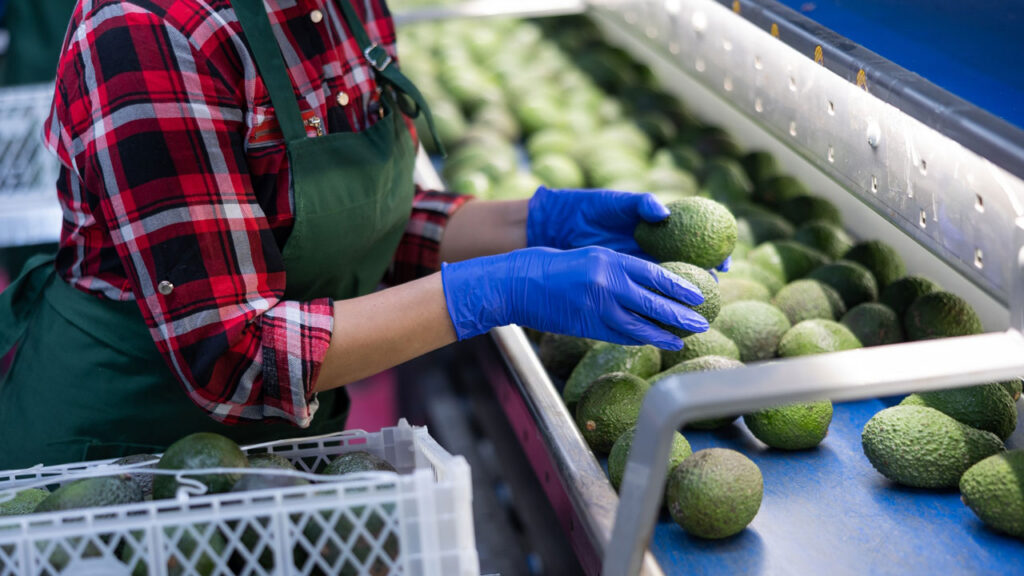

Technology propels business today, but applying it in the perishable foods sector can be challenging. This is something Prophet understands and embraces, with a purpose-built ERP system developed around the realities of moving fruits, vegetables, floral products, and other perishable goods that require highly specific handling — including advanced planning capabilities as part of a fully integrated system.
Today, many produce and floral operations still rely on spreadsheets and disconnected systems. As a result, systems often fall behind what businesses actually need and fail to reflect how perishable operations function in real time. While these systems may produce data, without alignment across planning, inventory, sales, and logistics, they cannot perform effectively.
When systems are built specifically for perishable operations, the difference is immediate. Real-time visibility improves, manual work is reduced, and decision-making becomes faster and more confident.
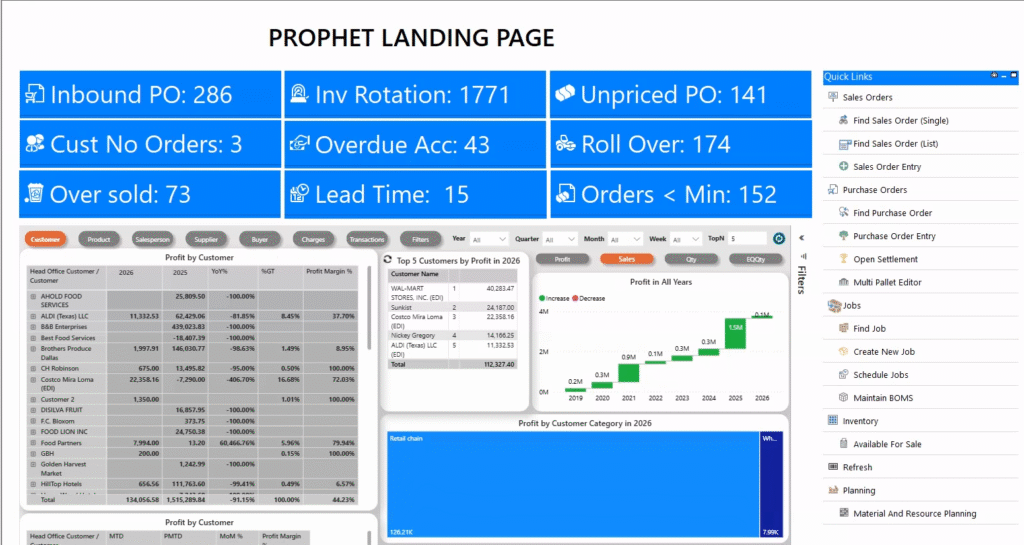
Prophet is purpose-built for produce and perishable operations, with a focus on aligning systems to real operational workflows so teams can trust and use their data every day.
That alignment is critical in an industry where no two products are the same. Even when shipped from the same source, each case has its own lifecycle and must be managed accordingly. Success depends on understanding factors such as geography, seasonality, weather conditions, pricing structures, and product variability — all of which directly impact yield, wastage, and profitability.
Produce moving through the supply chain carries variable costs and inherent risk. Margins are tight, and companies must operate with precision. Traditional accounting and generalized ERP approaches often lack the level of detail and responsiveness required to manage perishables effectively.
Prophet addresses this with inventory-centric consignment accounting and a fully integrated system designed specifically for perishables. This includes lot-based procurement, yield and wastage tracking, demand-driven planning, and real-time MRP — enabling businesses to move from reactive decision-making to proactive control.
Standard ERP systems, originally designed for more static industries, struggle to handle the variability of perishable products. As supply, quality, and demand shift, these systems often cannot adapt in real time. As a result, companies rely on spreadsheets, manual workarounds, and disconnected tools to bridge the gaps.
This is where misalignment begins. Data exists, but it isn’t connected in a way that reflects what’s actually happening operationally.
Prophet brings these moving parts together into a single, connected system built around how produce businesses actually run. Changes in supply or demand are reflected immediately across planning, inventory, and sales — eliminating the need for manual updates. Integrated MRP supports this by dynamically aligning procurement, packing, and distribution decisions with real-time conditions.
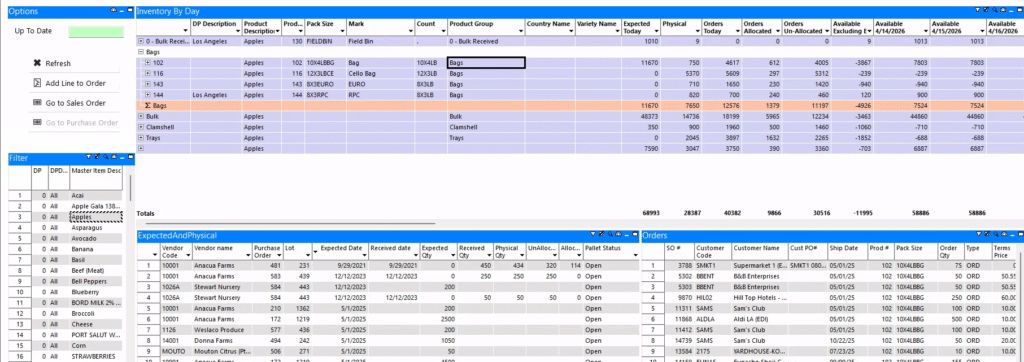
When systems are aligned, operations become more intuitive. Teams work from a single source of truth without needing to reconcile conflicting information or move between systems.
Without that alignment, inefficiencies quickly emerge. Rekeying data and relying on spreadsheets often become part of the daily workflow — not by choice, but because systems cannot keep up. This leads to duplicate data entry, reduced visibility, and increased risk of errors.
Over time, these small inefficiencies compound. Manual processes introduce inconsistencies, slow decision-making, and reduce confidence in the system. What starts as a workaround can become a structural limitation.
Spreadsheets, while familiar and flexible, were never designed to manage the complexity of perishable supply chains. When critical data lives outside the core system, visibility is reduced and decision-making becomes fragmented. Information can be overwritten, lost, or misinterpreted, creating further operational risk.
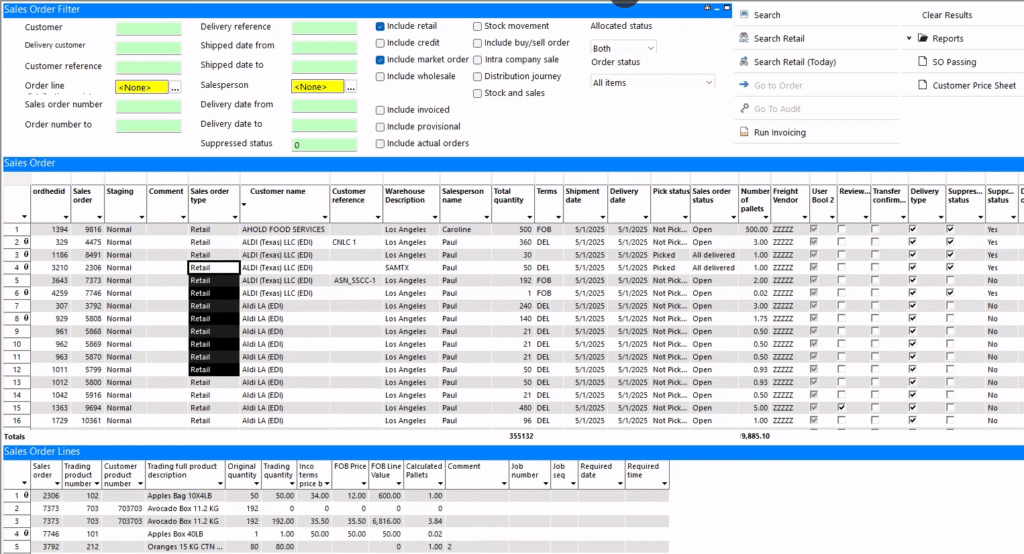
When ERP systems are aligned with produce operations, those risks are reduced. Planning adjusts in real time, orders and inventory stay connected, and teams no longer need to re-enter data across multiple systems. Operational clarity improves across the business.
Prophet delivers this alignment through a system designed specifically for perishables — connecting planning, execution, and accounting in a single platform. With modern technology, continuous updates, and open access to data for reporting and business intelligence, the system evolves alongside the industry.
In addition, Prophet’s experienced team, with deep expertise in produce industry operations, works closely with clients across the short, medium, and long term to address operational challenges as they arise—an important part of its approach to the perishable food sector.

Prophet invites growers, shippers, and wholesalers across the produce and floral industries to explore how better alignment can transform operations. Visit www.prophetize.com, engage with thought leadership content, or request a demo to see how Prophet connects planning, inventory, sales, and logistics in real time.
“Most produce and floral businesses don’t have a data problem — they have an alignment problem. When planning, inventory, sales, and logistics aren’t connected in real time, teams are forced to rely on workarounds. We’ve focused on building a system that reflects how these operations actually run, so businesses can see what’s happening and act with confidence. That alignment must also extend into planning — ensuring decisions keep pace with the realities of perishable supply chains.”

information@prophetize.com
www.prophetize.com
Westlake Gardens 1, Suite 205 | 2535 Townsgate Road | Westlake Village | CA | 91361
Prophet
Contacts
Address
Westlake Gardens 1, Suite 205, 2535 Townsgate Road, Westlake Village, CA, US
Website
visitProphet
Contacts
Address
Westlake Gardens 1, Suite 205, 2535 Townsgate Road, Westlake Village, CA, US
Website
visit