
Foundational Excellence Program Speaks to the Future of Fresh Produce Professionals
December 2, 2025 | 4 min to read
An MBA in the fresh produce industry in a day is how Ken Whitacre, chief executive of Phoenix Media Network, which hosts the New York Produce Show, and publisher of Produce Business, best described the Cornell University Foundational Excellence Program — Future Leaders in Produce.
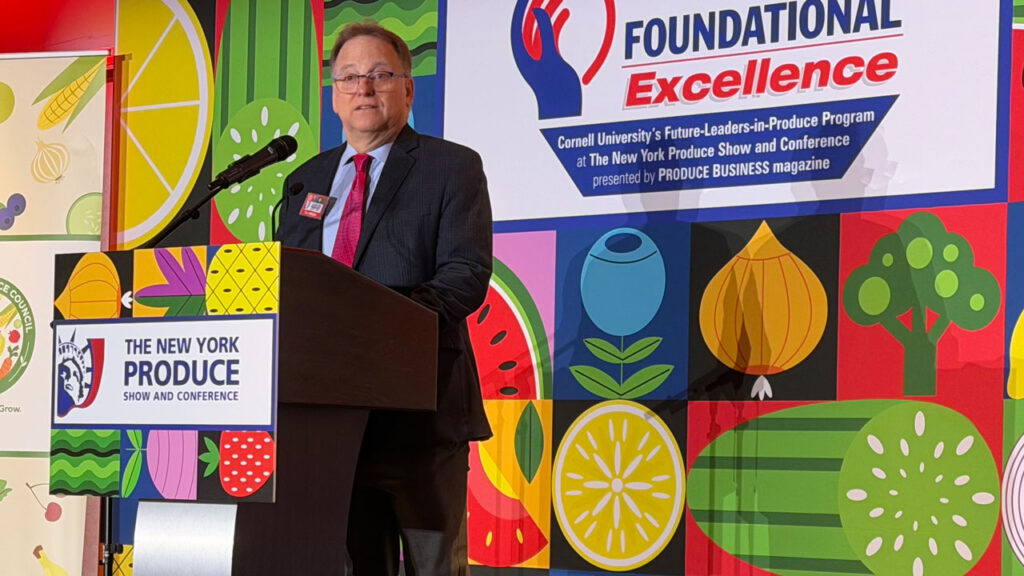
Professor Miguel Gómez led the first session, Dec. 2, on international trade and key trends in the produce sector, starting with an exercise where audience members broke into small groups to identify top concerns. The groups cited rising input and logistics costs, labor shortages tied to H-2A, weather and water pressures, inflation, and the need to better communicate value to shoppers. James Peperno, agriculture and food systems student at Rutgers University, added that pricing and overall affordability continue to shape buying behavior across the supply chain.
Gómez addressed how the industry can attract younger talent, noting produce’s diversity, perishability, and strong health relevance, even as U.S. per-capita consumption remains flat. Discussion also covered limited brand differentiation, opportunities for premium and value tiering, and the uneven impact of private label programs on growers. Joe Weber, a founder of Four Star Mushrooms, emphasized the importance of consumer education, while Ryan Reilly, of Naturipe Farms, highlighted the expanding role of AI from the field to the retail floor. The session concluded with a conversation about automation, rising costs, and the need to retrain workers as technology advances.
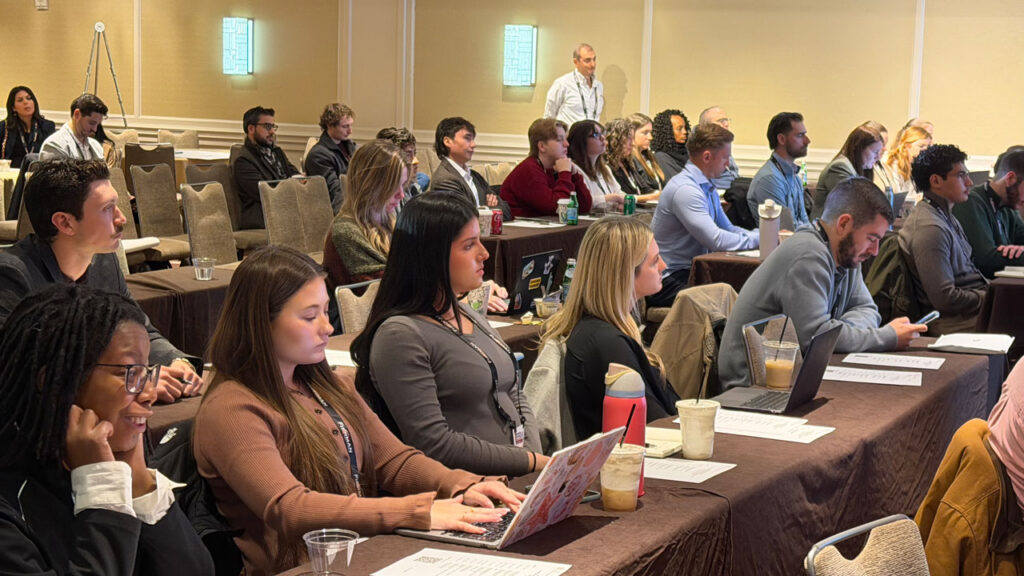
In a marketing-focused session titled Marketing Strategies for Produce, Professor Brad Rickard outlined how the Four Ps — promotion, product, price and placement — continue to drive produce sales. He highlighted wins, such as Cuties, Cotton Candy grapes, and efforts to reframe bananas as a “60-second breakfast.” Small breakout groups explored strategies to build volume and value, from extending shelf life through better retail handling to using social media and commodity boards to reinvigorate “five a day.”
Participants also discussed labor-saving technologies that could free up resources for marketing. Justin Leis, of YY Fruits and a member of the EPC Leadership Class, commented on nutrient-fortified GMO varieties and the need for dedicated retail placement. Kala Ogletree, a fourth-year agribusiness major at the University of Georgia, emphasized strong health-marketing potential, while noting added food-waste considerations.
Next, Professor Aaron Adalja discussed how cuisine trends are increasingly produce-forward, especially among Gen Z, who gravitate toward dishes centered on vegetables, rather than strictly plant-based or vegetarian labels. He noted strong influence from Mediterranean and Asian cuisines, reflected in bowls, shareable veggie snacks, produce-based sauces and condiments, beverages and expanded breakfast options. Adalja emphasized that foodservice is a major untapped opportunity to create a ripple effect in demand for fresh produce because it accounts for 59% of U.S. food spending. He said produce now leads top culinary trends —including health-with-indulgence, global flavors and premiumization — and that veg-forward formats align with value, versatility and social appeal. Collaboration between operators and suppliers can drive innovation, sustainability and stronger margins.
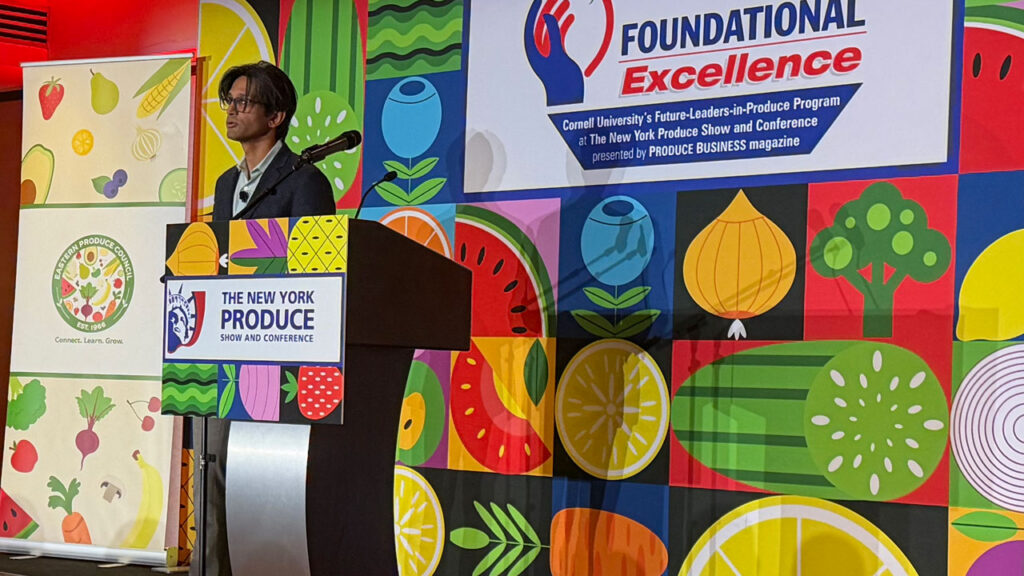
In the early afternoon, Cynthia Haskins of the New York Apple Association moderated a panel of young produce professionals, featuring Hudson River Fruit Distributors’ Marcus Albinder, the Avocado Queen’s Natalia Marienne, LGS’s Taylor Sears, Cleveland Kitchen’s Tyler Schneider, A&J Produce’s Stephanie Tramutola, and the Idaho Potato Commission’s Matt Zapczynski. The group shared their paths into the industry, the legacies they hope to leave, and the skills they believe matter most for the next generation. Relationship building, networking, and a working understanding of AI emerged as essential tools for future leaders. As Cleveland Kitchen’s Schneider noted, produce remains a rewarding profession because “people are never going to stop eating.”
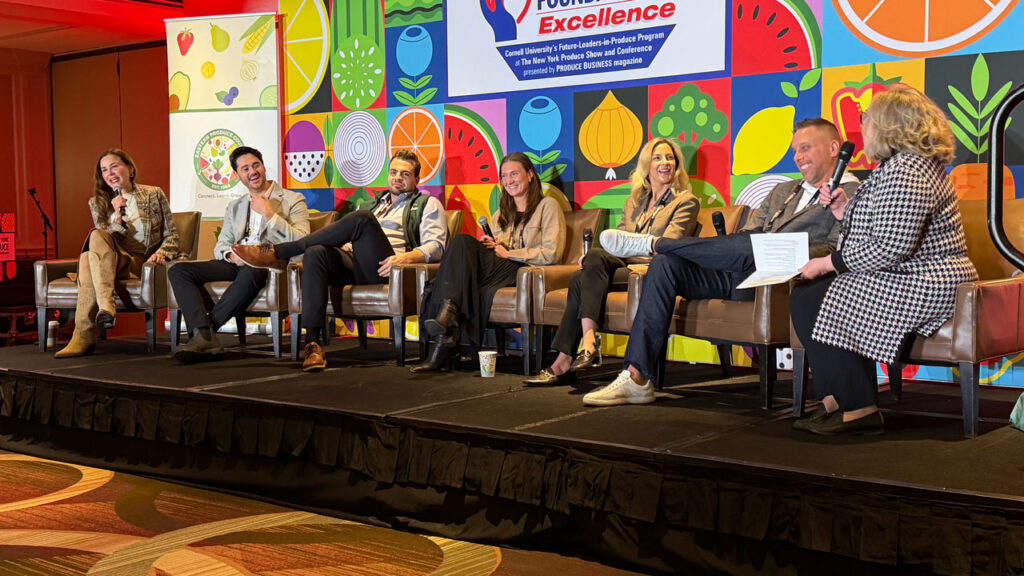
The program is part of the New York Produce Show, and took place at the Sheraton New York Times Square Hotel. The one-day trade show and three co-located events are Dec. 2-4. The New York Produce Show is organized by Produce Business and the Eastern Produce Council.
Have a story to share?
Take a place at Produce Business